
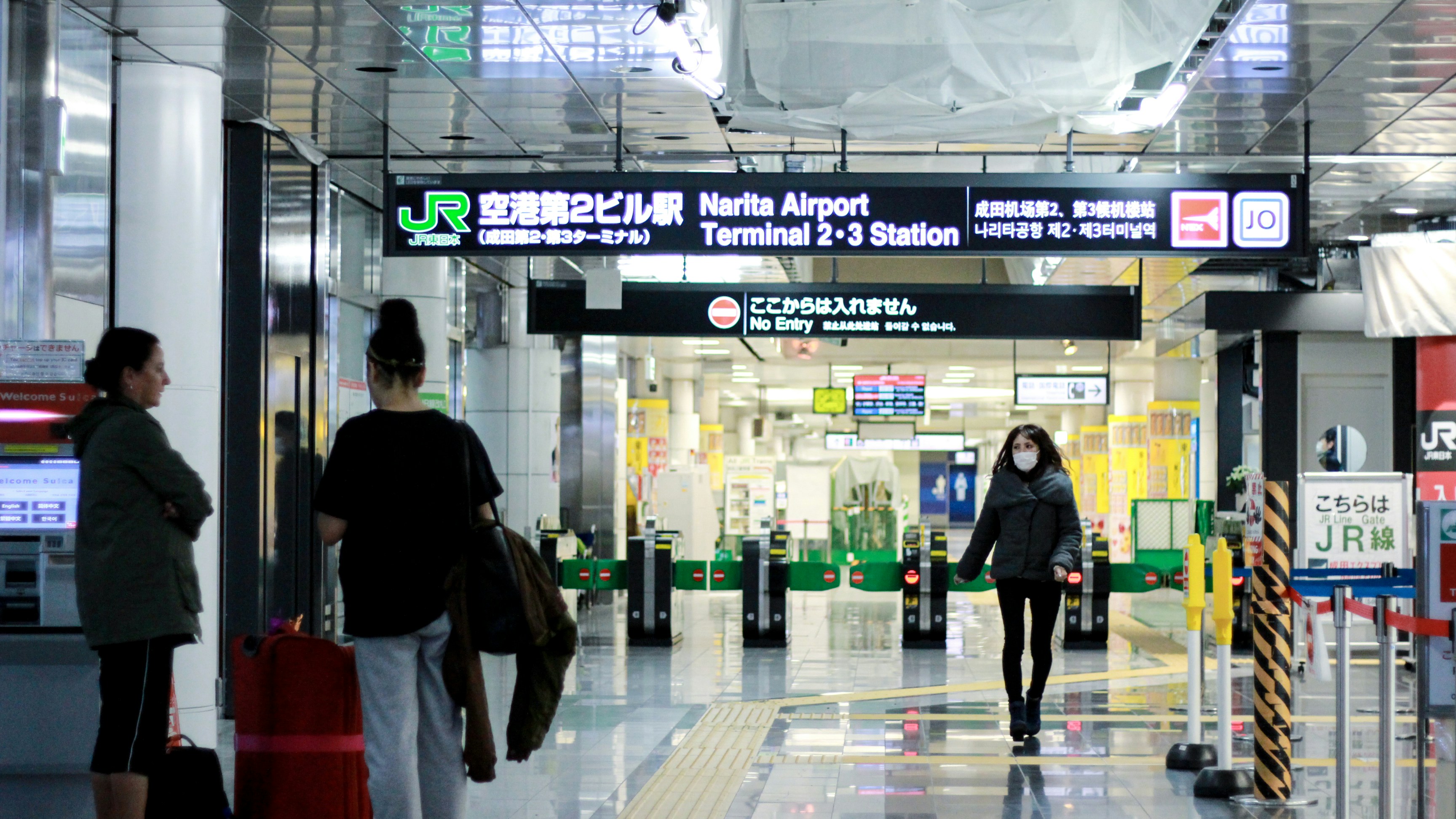
Introduction to Tokyo Airport Travel Trends
Tokyo, Japan, stands as a critical hub in the global travel landscape, represented chiefly by its two primary airports: Haneda Airport and Narita Airport. These airports serve as gateways not only for international travelers but also for significant domestic connections. With their strategic locations and modern facilities, both Haneda and Narita play an essential role in accommodating millions of travelers each year, facilitating tourism, business trips, and cultural exchanges. The importance of Tokyo’s airports extends beyond mere transportation; they are pivotal in shaping Japan’s economic and cultural connectivity with the rest of the world.
Haneda Airport, located closer to downtown Tokyo, is renowned for its efficiency and ease of access. It primarily handles domestic flights but has increasingly expanded its international reach, catering to a growing demand for short-haul international travel. In contrast, Narita Airport, situated further from the city center, predominantly manages long-haul international flights. It serves as a crucial link for travelers from various continents. Together, these airports showcase the diverse travel dynamics in Tokyo, where trends such as increased passenger volumes, changing travel preferences, and evolving global circumstances impact airport operations and strategies.
As we approach the years 2024 and 2025, analyzing the travel trends at Tokyo airports becomes even more critical. Understanding the factors driving passenger traffic, including economic conditions, tourism policies, and technological advancements, will provide vital insights. Moreover, this comparative analysis will highlight the implications of these trends, shedding light on how Tokyo’s airports adapt to meet the needs of travelers and remain competitive in the ever-evolving aviation landscape. The ensuing sections will delve deeper into specific travel statistics and significant changes observed during these years, offering a comprehensive view of Tokyo’s airport travel trends.
Expected Travel Statistics for 2024
The anticipated travel statistics for Tokyo Airport in 2024 reveal significant recovery trends as the aviation industry continues to rebound from the impacts of the COVID-19 pandemic. Airlines are steadily revamping their schedules, aiming to increase capacity to meet the expected surge in passenger traffic. According to various industry forecasts, Tokyo could see a sharp increase in international travelers, projected to reach approximately 70 million by the end of the year, marking a significant rise compared to the previous years.
Several factors are expected to drive this robust growth. First, global tourism campaigns aimed at promoting Japan as a travel destination will play a critical role. Events such as the annual Tokyo Olympics legacy programs and other cultural festivals are set to attract both international and domestic visitors. Furthermore, Japan’s easing of travel restrictions and the anticipated influx of international tourists are likely to bolster these statistics.
Economic conditions will also influence traveler numbers at Tokyo Airport. Positive economic indicators from key source markets, including the United States, Europe, and nearby Asian countries, could amplify travel demand. The recovery of corporate travel, fueled by businesses looking to reconnect with global partners, will also contribute to the statistics.
Additionally, advancements in aviation technology and services will enhance the overall travel experience, encouraging more travelers to choose Tokyo as their entry point into Japan. Enhanced digital interfaces for bookings and streamlined immigration processes are just a few examples of improvements expected to facilitate smoother transitions for international travelers. As these conditions align, the outlook for travel statistics at Tokyo Airport in 2024 remains optimistic, reflecting a resurgence in global mobility and the enduring appeal of Tokyo as a premier travel hub.
Tourism Trends Influencing 2024
The tourism landscape expected in 2024 highlights several key trends that may significantly influence travel to and from Tokyo. One of the most pivotal factors is the resurgence of cultural festivals and events, which historically draw large crowds both domestically and internationally. Festivals such as the Tokyo Summer Festival and the Hibiya Matsuri are anticipated to attract tourists eager to experience Japan’s rich cultural heritage. These events not only enhance local tourism but also stimulate the aviation sector, leading to increased passenger numbers at Tokyo airports.
Additionally, the return of major sporting events, including the anticipated Tokyo Marathon and various international competitions, is likely to bolster tourism. Sports enthusiasts from around the globe are expected to flock to Tokyo, fueled by a desire to witness these events live. The spike in attendees will consequently result in higher air travel demand, contributing to the overall increase in airport traffic.
Moreover, the gradual recovery of business travel poses a significant factor in shaping tourism dynamics in 2024. Following the disruptions caused by the pandemic, corporations are expected to resume in-person meetings and conferences, consolidating Tokyo as a business hub. As companies reinstate their travel budgets, the influx of business tourists is predicted to enhance the economic fabric of the region. This revival can be seen as a vital aspect in driving airport utilization, as business travelers often require more straightforward itineraries and robust services, thereby increasing overall flight frequency.
In conclusion, the tourism trends expected to influence 2024, encompassing cultural festivals, sporting events, and the renewal of business travel, will collectively enhance the travel landscape in Tokyo. These elements are set to create a vibrant atmosphere conducive to increased travelers, ultimately impacting the flow of passengers through Tokyo’s airports.
Anticipated Travel Statistics for 2025
As we look ahead to 2025, the travel statistics for Tokyo Airport indicate a significant potential for growth as the global travel landscape continues to evolve. After the considerable disruptions caused by the COVID-19 pandemic, many airports, including Tokyo, are experiencing a steady recovery in passenger numbers. Industry experts predict that international and domestic travel volumes will rebound, with hopes of surpassing pre-pandemic levels.
According to recent forecasts, it is anticipated that Tokyo Airport will witness an increase in traveler numbers compared to 2024. Various factors are contributing to this optimism. First, the ongoing recovery from the pandemic is leading to increased consumer confidence in air travel. As vaccination rates rise globally and travel restrictions begin to ease, more individuals are likely to plan their trips to Tokyo for business, leisure, and cultural experiences.
Moreover, changes in global travel policies are also expected to play a crucial role in shaping travel statistics for 2025. With many countries adopting more lenient entry requirements and enhancing safety protocols, it is anticipated that international travel demand will surge. Tokyo Airport, being a major hub in Asia, is likely to benefit significantly from this trend. This growth is expected to be complemented by the addition of new routes and increased frequency of flights by airlines, further enhancing accessibility to the city.
In addition, ongoing investments in airport infrastructure are set to improve the overall travel experience, prompting more visitors to choose Tokyo as their destination. Enhanced facilities and services will make traveling through Tokyo Airport more efficient, further encouraging both international and domestic travelers to utilize this key transit point. Overall, the travel statistics for Tokyo Airport in 2025 depict a landscape brimming with opportunities, awaiting the return of many eager travelers from around the world.
Travel Industry Innovations Impacting 2025
The travel industry is undergoing significant transformations that are likely to affect passenger traffic at Tokyo Airport in 2025. Among the most influential trends are technological advancements that enhance travel experiences. Innovations such as biometric screening and automated check-in processes are set to streamline the airport experience, decreasing wait times, and making travel more efficient. With these systems in place, travelers can expect a smoother transition from check-in to boarding, encouraging a higher volume of passengers opting for air travel.
In addition to technology, there is a notable shift in consumer behavior, particularly among younger travelers. Millennials and Generation Z prioritize unique experiences over traditional tourism, which may lead to an increase in niche travel markets, such as wellness travel and adventure tourism. This evolving demand may prompt airlines operating from Tokyo Airport to expand their service offerings, including tailored travel packages that align with these interests. With a growing preference for personalized experiences, airlines must innovate to retain and attract customers.
Moreover, the rising awareness of environmental issues is driving eco-conscious travel initiatives. Airlines are increasingly investing in more sustainable practices, from fleet upgrades to carbon offset programs, to minimize their ecological footprint. This trend resonates with environmentally aware travelers and could positively influence their choices, leading to increased patronage of airlines at Tokyo Airport that demonstrate commitment to sustainability.
Lastly, the ongoing global shifts in travel regulations and policies also contribute to industry transformation. With post-pandemic policies still evolving, adaptability will be essential for airlines and airports alike in meeting new safety and health-related requirements. Overall, these innovations in the travel sector can significantly shape the dynamics of air travel at Tokyo Airport, with expected growth in traveler numbers by 2025.
Comparative Analysis of 2024 vs 2025
The travel statistics for Tokyo’s airports in 2024 and 2025 exhibit noteworthy trends which merit a detailed comparison. Preliminary data suggests an increase in passenger traffic in 2025, with projections estimating an uptick of approximately 15% over the previous year. This growth can be attributed to several factors, including the anticipated recovery of international travel following the pandemic, alongside various infrastructural improvements within the airport facilities.
Furthermore, analysis indicates that the shift in travel patterns is becoming evident. In 2024, domestic travel accounted for a significant portion of total air traffic, but by 2025, it is expected that international travel will regain its prominence. This shift aligns with global trends as countries relax travel restrictions and bolster tourism efforts. The airports are thus preparing for larger international flights and enhanced security protocols to accommodate this growth.
Moreover, the introduction of new airlines and routes is anticipated to contribute positively to the travel statistics for 2025. Airports in Tokyo are strategically reinforcing their marketing systems to attract both business and leisure travelers. Increased promotions and partnerships with international carriers are expected to streamline the travel experience, thereby improving both passenger satisfaction and operational efficiency.
However, despite the positive outlook for 2025, it is crucial to acknowledge potential challenges that may impact these projections. Factors such as fluctuating fuel prices, geopolitical tensions, and ongoing health concerns could significantly influence travel decisions. These elements could potentially deter the anticipated growth in passenger numbers, prompting airports to remain agile and proactive in their operational strategies to adapt to these changes.
In conclusion, the comparative analysis of travel statistics for Tokyo’s airports reveals a potential growth trajectory from 2024 to 2025, characterized by shifts towards international travel and enhanced operational capabilities, albeit amidst certain challenges that require vigilant attention.
Potential Challenges Ahead
The travel landscape for Tokyo Airport in 2025 is fraught with a variety of potential challenges that could impede growth and affect overall travel statistics. Geopolitical tensions remain a pervasive concern that can destabilize travel patterns. For instance, relations between Japan and its neighboring countries may influence travelers’ decisions, potentially leading to a decline in both international arrivals and departures. Particularly, increased military activities or disputes could result in travelers opting for alternative destinations that are perceived as safer.
The economic climate also plays a crucial role in shaping travel behaviors. Any significant economic downturn, whether local or global, can deter individuals from engaging in international travel due to reduced disposable income or job insecurity. The consequences of inflation or recessions can lead not only to fewer travelers but also to a shift in the demographics of those who do travel, with a higher proportion opting for budget-friendly destinations instead of premium travel experiences offered at major airports like Tokyo.
Moreover, changes in traveler preferences may pose another challenge. A growing focus on sustainability and responsible travel may alter the types of trips that individuals prioritize, impacting routes traditionally serviced by Tokyo Airport. Additionally, unexpected global events such as pandemics or natural disasters may impose travel restrictions that limit airport operations. Such occurrences have proven impactful in previous years, urging travelers to reassess their plans and leading to significant declines in airport traffic.
In light of these factors, careful monitoring of geopolitical, economic, and social trends is imperative for stakeholders in the aviation industry to navigate the challenges ahead strategically.
Implications for Stakeholders in the Travel Industry
The statistical data concerning Tokyo’s airports for the years 2024 and 2025 offers crucial insights for several stakeholders within the travel industry. Airlines, travel agencies, airport authorities, and government tourism offices are among those who must carefully evaluate these statistics to inform their strategic planning.
For airlines, understanding projected passenger traffic increases or decreases can guide decisions regarding route structuring, scheduling, and fleet management. If the data suggests a surge in international travelers, airlines can enhance their flight offerings to capture this demand. Conversely, if a decline is anticipated, airlines may need to implement financial measures to mitigate losses, such as scaling back operations or re-evaluating existing contracts with airports.
Travel agencies also play a significant role in adapting to the trends reflected in the travel statistics. As consumer preferences shift, agencies must be proactive in adjusting marketing strategies and travel packages to match emerging trends. A closer collaboration with airlines and hotels can also allow travel agencies to create attractive deals that appeal to their clientele, ensuring customer retention and growth in a competitive landscape.
Airport authorities are responsible for infrastructure and operational adjustments that can accommodate increased passenger volumes. They may need to assess the current capacity and identify areas for improvement or expansion to avert congestion during peak travel seasons. Additionally, enhancing terminal experiences, such as updating technology and rewarding loyalty programs, can significantly enhance passenger satisfaction.
Finally, government tourism offices must analyze how travel statistics can influence predictive policies regarding tourism promotion and international partnerships. By recognizing potential shifts in tourist demographics, government stakeholders can tailor their marketing campaigns and support infrastructure projects that foster sustainable tourism growth. Engaging with all stakeholders ensures a cohesive approach to adjusting strategies in light of evolving travel patterns.
Conclusion: The Future of Travel at Tokyo Airport
The comparison of Tokyo Airport travel statistics between 2024 and 2025 presents a compelling narrative about the evolving nature of this key transportation hub. As global travel continues to rebound post-pandemic, the anticipated growth in passenger numbers reflects an increased confidence in air travel and the importance of Tokyo Airport within the international aviation landscape. Projections indicate that passenger volumes will likely surpass pre-pandemic levels, signaling a robust recovery and the potential for greater connectivity.
Furthermore, the data suggests advancements in airport services that aim to enhance the overall travel experience. Innovations in technology, such as contactless check-in and streamlined security processes, are expected to further ease the travel journey for passengers. Enhanced customer service protocols and improved communication systems will likely play a pivotal role in providing a seamless transition for travelers navigating through the busy airport environment. Additionally, the expansion of duty-free shops and dining options is indicative of the airport’s commitment to accommodating diverse traveler needs.
In light of the increasing number of international flights and collaborations with a wider network of airlines, Tokyo Airport is poised to solidify its position as a premier global gateway. The strategic planning undertaken by airport authorities reflects an understanding of emerging trends in air travel, focusing on sustainability and efficiency. As the travel landscape continues to shift, so too must airport operations adapt to cater to evolving passenger expectations and environmental considerations.
All in all, as we look towards the future, travelers can anticipate a Tokyo Airport that not only meets but exceeds their expectations through innovation and a forward-thinking approach. The journey through this vital hub is likely to become even more enriching, making Tokyo Airport an essential part of the global travel agenda.