

Introduction to Kenzadi Kenzadi is at the forefront of a transformative movement aimed at fostering a more profound connection between individuals and the natural world. The organization’s mission revolves around promoting sustainable living through innovative products and services that are inspired by nature. By integrating nature-based solutions into everyday life, Kenzadi aspires to enhance the relationship individuals have with their environment. At the heart of Kenzadi’s vision is the belief that a sustainable lifestyle should be accessible and engaging for all. This vision manifests in a diverse range of products that cater to both urban and rural settings, empowering individuals to adopt more environmentally friendly practices. These offerings span from biodegradable materials to smart gardening solutions, all designed to harmonize with the ecosystem. Each product embodies the principles of sustainability, ensuring that consumers can make choices that benefit both themselves and the planet. In addition to products, Kenzadi focuses on providing services that support sustainable living. Workshops and community events are organized to educate and inspire participants on the importance of connecting with nature, reinforcing the idea that consumers play a vital role in environmental stewardship. Through these initiatives, Kenzadi facilitates a dialogue around sustainability, helping individuals recognize the impact of their choices on the world around them. As Kenzadi continues to expand its offerings, the organization remains committed to its core mission. By championing innovative solutions that prioritize both human experience and ecological preservation, it seeks to revolutionize how individuals engage with nature. In doing so, Kenzadi stands as a beacon of hope in the journey toward a more sustainable future, where individuals can live in harmony with the environment while embracing a lifestyle characterized by responsibility and care. The Importance of Nature Connection In recent years, the significance of connecting with nature has garnered increasing attention from both scientific communities and the general public. Numerous studies have illuminated the profound psychological and physical benefits arising from regular exposure to natural environments. A pivotal research effort published in the Journal of Environmental Psychology revealed that spending time in nature substantially reduces levels of stress, anxiety, and depression, leading to an enhancement of overall mental health. Moreover, engaging with nature has been shown to promote creativity and boost cognitive function. For instance, a study by researchers at the University of Utah demonstrated that individuals who immersed themselves in nature for several days exhibited a 50% improvement in problem-solving skills compared to those who remained in urban settings. This phenomenon illustrates how nature can serve as a catalyst for innovative thinking and productivity. Beyond its mental health benefits, nature connection also positively impacts physical health. Regular exposure to green spaces encourages physical activity, which is vital for maintaining a healthy lifestyle. The presence of trees and parks can motivate individuals to exercise, leading to improved cardiovascular health and overall fitness levels. Evidence from various health studies indicates that individuals living in proximity to green environments often have lower rates of obesity and chronic diseases, further emphasizing the critical role of nature in fostering a healthier population. The rising movement to advocate for nature connections, exemplified by initiatives like Kenzadi, is essential for cultivating a culture that appreciates and prioritizes natural experiences. As urbanization and digital interaction increase, it becomes increasingly imperative to counterbalance the detachment from nature. Embracing and promoting nature connection can aid in enhancing mental well-being, creativity, and physical health, ultimately leading to a more balanced and satisfied society. Kenzadi’s Product Offerings Kenzadi offers a diverse range of products that cater to nature enthusiasts while promoting eco-friendliness and sustainability. Central to Kenzadi’s mission is the introduction of eco-friendly items designed to minimize environmental impact. Among these offerings, reusable containers and biodegradable bags stand out. These products help reduce single-use plastic consumption, encouraging customers to adopt more sustainable habits while they connect with nature. In addition to eco-friendly items, Kenzadi provides an array of tools tailored for outdoor activities. This selection includes durable hiking gear, innovative camping tools, and versatile outdoor cooking equipment. Each item in this range is crafted from sustainable materials and rigorously tested to ensure long-lasting performance in various environmental conditions. Kenzadi’s outdoor tools are designed not only to enhance the experience of exploring nature but also to respect the environment, making them ideal for environmentally conscious adventurers. Furthermore, Kenzadi offers services that encourage exploration and appreciation of the natural world. These services often include guided nature walks, educational workshops, and community clean-up initiatives. Participants are equipped with knowledge about local ecosystems and encouraged to foster a deeper connection with their surroundings. Kenzadi’s commitment to sustainability extends to its services, as they prioritize engaging community members in environmental stewardship activities. Through these innovative product offerings, Kenzadi is revolutionizing our interaction with nature. By providing eco-friendly items, high-quality outdoor tools, and engaging services, Kenzadi not only facilitates memorable outdoor experiences but also promotes a sustainable lifestyle that harmonizes with the natural world. Overall, Kenzadi exemplifies how modern consumers can enjoy the outdoors while actively contributing to ecological preservation. Sustainable Practices at Kenzadi Kenzadi is at the forefront of promoting environmental sustainability, which is evident through its various responsible practices in sourcing, manufacturing, and packaging. The company’s commitment to sustainability begins with its materials, which are obtained through an ethical procurement process. Kenzadi prioritizes the use of renewable resources and ensures that the raw materials meet strict environmental standards. This careful selection process not only reduces the carbon footprint but also supports the communities involved in the harvesting of these materials. In terms of manufacturing, Kenzadi employs processes that minimize waste and energy consumption. The production facilities are equipped with advanced technologies designed to optimize efficiency while reducing emissions and pollution. By implementing a closed-loop system, Kenzadi ensures that by-products are reused, thus contributing to a circular economy. This strategy not only aligns with their sustainability goals but also reinforces their position as a leader in eco-friendly practices within the industry. Moreover, Kenzadi’s packaging solutions reflect their dedication to environmental responsibility. The company utilizes biodegradable, recyclable, and compostable
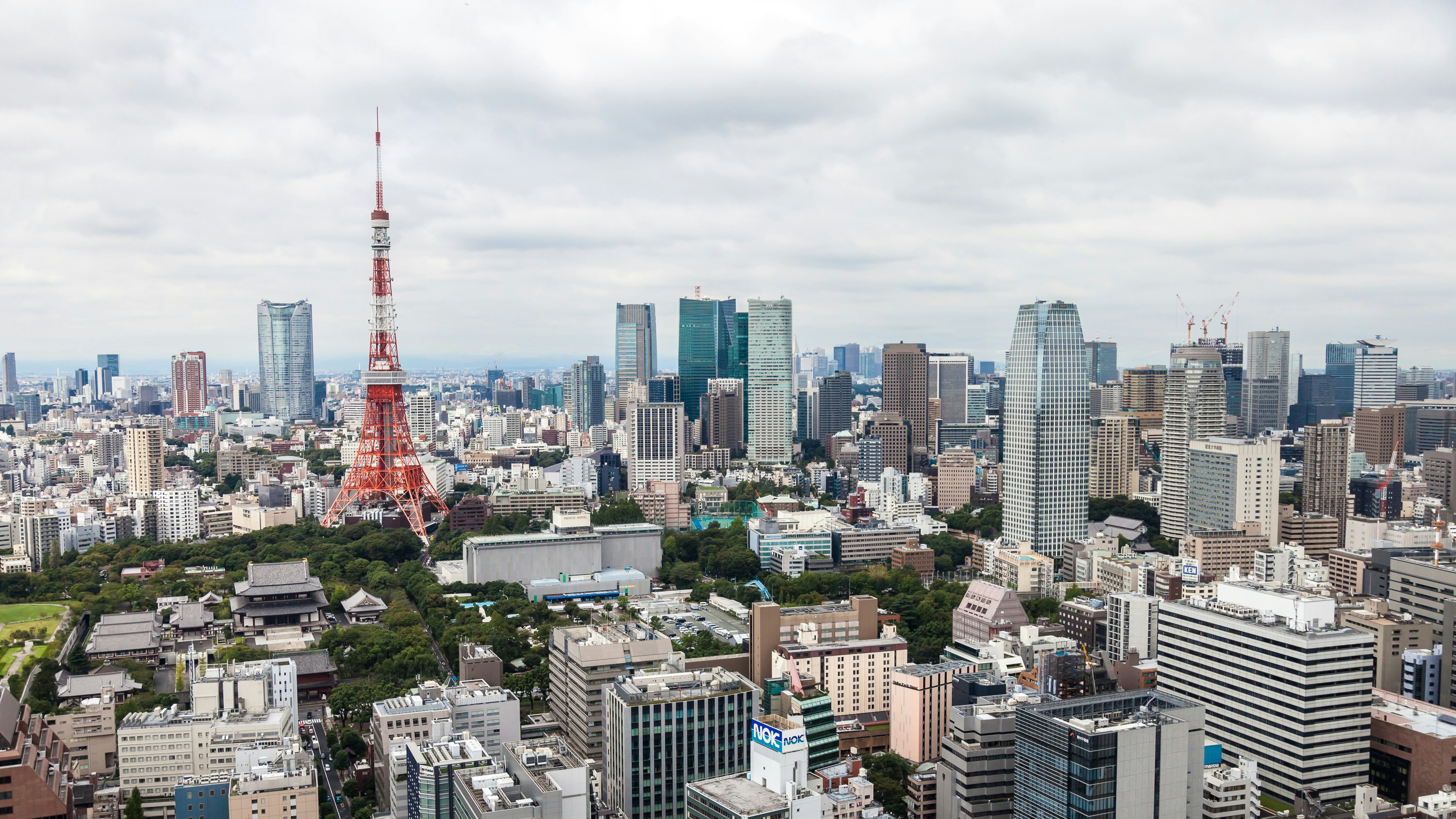
Tokyo Weather Forecast: Next 7 Days
Introduction to Tokyo’s Climate Tokyo, Japan’s bustling capital, experiences a humid subtropical climate characterized by four distinctive seasons: spring, summer, autumn, and winter. Each season brings its own unique weather patterns and temperatures, making Tokyo’s climate varied and sometimes unpredictable. Spring, which lasts from March to May, is renowned for its mild temperatures and the breathtaking sight of cherry blossoms. During this period, average temperatures usually range from 10°C to 20°C (50°F to 68°F), attracting numerous locals and tourists to parks for hanami, or flower viewing. Rainfall remains relatively light during this season, allowing many outdoor activities to flourish. Summer, occurring from June to August, marks a significant shift in Tokyo’s weather. This season is characterized by high humidity and temperatures that can reach up to 35°C (95°F). The climate during these months often leads to frequent rain, especially during the monsoon season in June. Tokyoites often seek relief from the heat in shaded areas and air-conditioned spaces. As autumn arrives in September and continues through November, temperatures gradually decrease, creating a comfortable atmosphere for residents and visitors. The weather can still be rainy at the onset, but it becomes drier and more stable by late October, showcasing beautiful foliage and mild daytime conditions, perfect for outdoor explorations. Finally, winter, from December to February, brings cooler temperatures ranging from 0°C to 10°C (32°F to 50°F). Snow is rare in Tokyo, but dry conditions prevail. Despite the chill, the vibrant winter illuminations and seasonal festivals provide warmth and cheer. Understanding Tokyo’s climate is essential when considering the weather forecasts for the upcoming week. With this overview, one can better anticipate the conditions that may influence daily activities and travel plans in Japan’s dynamic capital. Daily Weather Breakdown As we analyze the Tokyo weather forecast for the upcoming week, it is essential to equip ourselves with the most accurate and up-to-date information. Starting from day one, Tokyo is expected to experience clear skies, with maximum temperatures peaking at 24°C and minimum lows around 15°C. The pleasant weather is ideal for outdoor activities and sightseeing, so residents and visitors are encouraged to take advantage of the favorable conditions. Moving to day two, a gentle shift in weather patterns is forecasted. The temperatures will remain relatively stable, ranging from 16°C to 25°C. However, there is a notable increase in humidity, which may lead to isolated showers in the late afternoon. A 30% chance of precipitation suggests that carrying an umbrella might be a prudent idea. On the third day, Tokyo’s weather will display more variability, with expected highs of 22°C and lows of 14°C. Clouds will dominate the skyline, and there is a higher probability of rain, upwards of 60% throughout the day. Those with outdoor plans should be prepared for sudden downpours. As we approach midweek, day four shows some improvement, with temperatures climbing back up to 26°C and a modest low of 17°C. The likelihood of rainfall dips to about 20%, allowing for a more enjoyable experience in the city. The weather remains conducive to social activities and exploration. Day five brings a warm front, with high temperatures reaching 28°C. However, nighttime lows may still drop to around 18°C. This day presents a perfect opportunity to enjoy Tokyo’s vibrant nightlife, although slight humidity may linger in the air. On the sixth day, Tokyo will face an unusual weather change, with temperatures expected to fall to 19°C during the day, and 16°C at night. An approaching cold front could introduce a possibility of thunderstorms, particularly in the late evening. A precipitation chance of approximately 40% makes it advisable to stay alert to the weather updates. Finally, on day seven, the forecast indicates a return to milder conditions, with highs of 23°C accompanied by clearer skies. However, chilly nights may drop to 15°C, creating a notable shift. Overall, this summary offers residents and visitors a chance to adapt their plans while enjoying the diverse weather Tokyo has to offer over the week. Temperature Trends in Tokyo The temperature trends in Tokyo over the next week show a notable variation, reflecting the changing patterns typical for this season. Starting from the beginning of the week, residents can expect daytime temperatures to hover around 20°C (68°F), which is slightly above the average for October, typically resting around 18°C (64°F). This warmer trend might be attributed to the lingering effects of the summer climate, often seen as late-season warmth. As the week progresses, forecasts predict a gradual decrease in temperatures. By mid-week, daytime highs are expected to drop to approximately 17°C (63°F). This fluctuation may cause discomfort for some, as it deviates from the more stable temperatures experienced previously. Evening and nighttime temperatures will also reflect this gradual cooling, dropping to around 12°C (54°F), compelling residents to consider layering their clothing. Towards the end of the week, the forecast indicates another potential drop, bringing temperatures down to 15°C (59°F) during the day and dipping to 10°C (50°F) at night. These changes align more closely with average October temperatures, suggesting that the region is beginning to transition fully into autumn. Weather patterns such as cold fronts sweeping through may also contribute to the fluctuations observed. In summary, the temperature trends in Tokyo over the next week suggest a beginning of cooler autumn weather after a brief warmer period. Residents should be prepared for these variations in temperature, adjusting their clothing and plans accordingly to ensure comfort during this transitional phase. Monitoring daily forecasts will provide essential insights for adapting to the shifting climate. Rainfall and Humidity Predictions In the upcoming week, the weather forecast for Tokyo indicates a mixed bag of conditions, primarily revolving around rainfall and humidity levels. As is typical for this season, the city is likely to experience scattered showers, with probabilities of precipitation ranging from 40% to 70% on several days. This means that residents and visitors should be prepared for the possibility of rain, particularly in the afternoons and evenings. Accumulative rainfall is expected to reach approximately 15 to 25 millimeters throughout

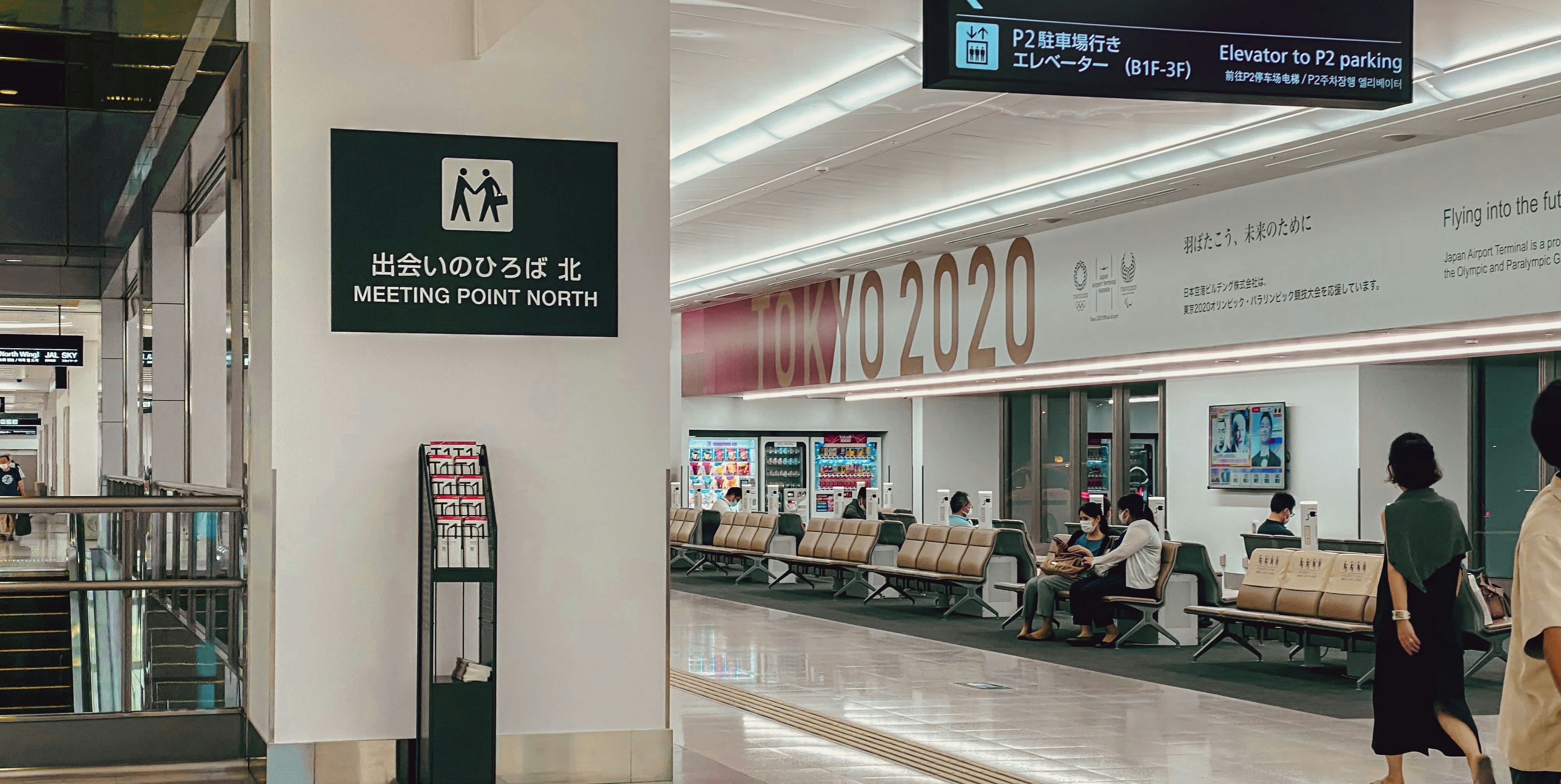
Are There McDonald’s Restaurants at Tokyo Airports?
Overview of McDonald’s Presence in Japan McDonald’s has established a significant presence in Japan since its first restaurant opened in 1971. Over the decades, the brand has evolved, adapting its menu to cater to local tastes while maintaining its global identity. Currently, McDonald’s operates more than 2,900 outlets across various regions of Japan, making it one of the leading fast-food chains in the country. The menu at McDonald’s Japan features several unique offerings that distinguish it from what is available in other markets. For instance, items such as the Teriyaki Burger and Ebi Filet-O, which is a shrimp burger, are created specifically to appeal to Japanese consumers. Seasonal promotions also play a crucial role, with products like the Sakuranbo (cherry) milkshake or the Matcha cream pie being popular during specific times of the year. These adaptations showcase how McDonald’s has been able to integrate into Japan’s unique culinary landscape, blending international fast-food operations with traditional tastes. The brand enjoys a considerable level of popularity among both local residents and tourists. For many visitors, a stop at McDonald’s provides a familiar but distinctly Japanese experience, allowing them to sample unique items not found elsewhere. In addition, the restaurants often serve as convenient locations within major urban centers and tourist attractions, making them a go-to choice for a quick meal. Furthermore, McDonald’s extensive engagement in community initiatives and collaboration with local farms for ingredient sourcing has bolstered its image as a responsible corporate citizen in Japan. McDonald’s Locations at Tokyo Airports Tokyo is served by two primary international airports: Narita International Airport and Tokyo Haneda Airport. Both airports feature McDonald’s restaurants, providing travelers with familiar fast food options amidst their journeys. Narita International Airport, situated approximately 60 kilometers east of central Tokyo, has a McDonald’s located within Terminal 1. Specifically, the restaurant can be found on the 4th floor of the North Wing, which is convenient for travelers arriving and departing from this terminal. This McDonald’s offers a range of popular menu items familiar to the brand, allowing international travelers to enjoy their favorite meals before or after flights. In addition to this, Narita also hosts a McDonald’s outlet in Terminal 2. Positioned on the 3rd floor of this terminal, it serves as a popular dining choice for passengers waiting for their flights. Both terminals’ McDonald’s restaurants operate under extended hours, accommodating various flight schedules. On the other hand, Tokyo Haneda Airport, which is significantly closer to the city center, has two McDonald’s locations. The first is situated in Terminal 1, on the 3rd floor near the domestic departure area. This particular McDonald’s primarily caters to domestic travelers, offering convenient access for those within Japan. The second location at Haneda Airport is found in Terminal 2, also on the 3rd floor. Like its counterpart in Terminal 1, this restaurant provides quick service to travelers heading to various domestic destinations. The placing of McDonald’s restaurants in both major Tokyo airports serves to enhance the convenience for those traveling in and out of Japan’s capital, providing a reliable dining option for anyone seeking comfort food during their travels. Menu Highlights at Tokyo Airport McDonald’s Traveling through Tokyo airports offers an interesting culinary experience, particularly at McDonald’s, which features menu items that cater to local tastes and seasonal trends. While the iconic Big Mac and French fries remain staples, visitors can indulge in unique offerings that highlight Japan’s rich culinary heritage. One of the standout items often available at McDonald’s in Tokyo airports is the Teriyaki Burger. This burger features a succulent chicken or beef patty glazed with aromatic teriyaki sauce, and it is often accompanied by lettuce and mayonnaise, providing a flavorful twist to the traditional burger experience. Another popular option is the Ebi (shrimp) Burger, which showcases a deep-fried shrimp patty, offering travelers a taste of coastal culinary delights. Additionally, McDonald’s Japan frequently introduces limited-time items that correspond with seasonal festivals or local events. For example, during the cherry blossom season, you might find a special sakura-flavored dessert that captures the essence of Japan’s cultural festivities. These seasonal specialties not only attract food enthusiasts but also provide a delightful way for international visitors to engage with local traditions. McDonald’s at Tokyo airports also caters to travelers looking for lighter options, featuring a variety of salads and fruit selections. For those who prefer a more traditional Japanese experience, the menu includes items such as rice balls and green tea-flavored drinks, providing alternatives that may not be found in McDonald’s locations outside of Japan. Overall, the menu offerings at Tokyo airport McDonald’s reflect a merging of global fast-food culture with distinct local flavors, making it an intriguing dining option for both travelers and locals alike. Tips for Travelers Visiting McDonald’s in Tokyo Airports For travelers passing through Tokyo airports, knowing a few details about visiting McDonald’s can enhance your experience. One key consideration is the airport’s operating hours. Most McDonald’s locations in both Narita and Haneda airports typically operate from early morning until late at night, catering to varying flight schedules. However, specific hours can change based on the terminal and season, so it is advisable to check the official airport website or the McDonald’s website for precise timings before your visit. When it comes to payment methods, modern technology has made transactions convenient for travelers. In addition to cash, most McDonald’s restaurants at these airports accept international credit and debit cards. Furthermore, mobile payments such as Apple Pay and Google Pay are frequently accepted, making it easier for those who prefer not to carry cash or cards while navigating the airports. To avoid long waiting times, it’s best to plan your visit during non-peak hours. Early mornings and late evenings tend to be less crowded, especially during the weekdays when business travelers are fewer. Avoiding standard meal times, such as lunch from 12 PM to 2 PM or dinner from 6 PM to 8 PM, can also lead to a more pleasant experience. Another tip is to familiarize yourself with the Japanese menu
A Foodie’s Guide to Dining at Tokyo Airport: Top Restaurants You Can’t Miss
Introduction to Tokyo Airport Dining Tokyo Airport, known for its impressive array of shopping and entertainment options, also boasts a remarkable selection of dining venues that cater to a wide spectrum of tastes and preferences. From traditional Japanese delicacies to international cuisines, the airport presents travelers with an exceptional culinary experience. This variety is a testament to Japan’s rich food culture, making it vital for travelers to indulge in authentic Japanese cuisine, even while on the move. The dining landscape at Tokyo Airport is characterized by its focus on quality, freshness, and the unique flavors that Japanese food has to offer. Upon arrival at the airport, visitors have a chance to explore numerous restaurants and food stalls, each providing a glimpse into Japan’s diverse culinary heritage. Whether you are departing or arriving, dining at the airport can transform a simple layover into a delightful gastronomic adventure. In this blog post, we aim to guide you through some of the top restaurants at Tokyo Airport that you simply cannot miss. By highlighting these dining options, we hope to inspire you to take full advantage of Tokyo’s vibrant food scene, even in transit. So, whether you’re in the mood for sushi, ramen, udon, or any other specialties, you will find plenty to satisfy your palate. Your journey through Tokyo Airport will not only be about traveling to your next destination, but it can also be a remarkable culinary experience that showcases the best of what Japan has to offer. Types of Cuisine Available Tokyo Airport, known for its extensive selection of dining options, offers a diverse array of culinary experiences to cater to all palates and dietary requirements. Travelers can immerse themselves in traditional Japanese cuisine, featuring classic dishes such as sushi, ramen, and tempura. These authentic meals allow visitors to savor the rich flavors and unique presentations that Japan is renowned for. For those in search of quicker options, international fast food chains are conveniently located throughout the airport. These outlets provide familiar favorites, such as burgers and fried chicken, perfect for those on the go. However, travelers with more discerning tastes need not worry; Tokyo Airport also boasts gourmet dining establishments that present an elevated culinary experience. These restaurants often focus on seasonal ingredients and elegant presentations, providing a perfect escape from the airport atmosphere. Furthermore, specialty eateries are plentiful and cater to specific dietary preferences, ensuring that everyone can enjoy a satisfying meal. Vegetarian and vegan options are readily available, with many restaurants consciously including plant-based dishes that showcase fresh vegetables and innovative recipes. Additionally, travelers with gluten-free requirements can find dedicated options throughout the airport. This commitment to diversity in cuisine guarantees that Tokyo Airport is not just a transit point but also a destination for substantial and enjoyable dining experiences. With an array of choices that range from traditional Japanese fare to international cuisine and specialized dietary needs, it is a culinary haven for every traveler passing through. Top Restaurants in Tokyo Airport Tokyo Airport, renowned for its exceptional dining options, is a paradise for food enthusiasts. Travelers passing through Narita and Haneda airports will find an array of culinary experiences that showcase the best of Japanese cuisine as well as international flavors. Firstly, Sushi Kyotatsu is a standout option located in both Narita and Haneda. Known for its fresh and expertly prepared sushi, this restaurant brings the traditional sushi experience right to the terminal. Guests can enjoy a variety of nigiri and maki, with fish sourced daily from the renowned Tsukiji Market. The minimalist décor and skilled chefs treating dedication to their craft provide an authentic dining experience. More details can be found on their menu. Another appealing choice is Gyuan, which specializes in high-quality wagyu beef dishes. Located exclusively at Narita Airport, Gyuan is famous for its exceptional gyu-tan (grilled beef tongue) and other grilled specialties. This restaurant combines traditional flavors with a modern presentation, elevating a simple meal into a memorable feast. Their menu is available to view here. For those seeking something distinctive, Inageya, found at Haneda, offers an incredible selection of bento boxes that highlight regional specialties from across Japan. Perfect for travelers wanting a taste of local culture without sacrificing convenience, Inageya’s bentos combine seasonal ingredients with artistic presentation. Visit their site for menu choices here. Lastly, Ramen Santoka serves up rich and hearty bowls of ramen. With its history of award-winning renditions of shio ramen, this establishment makes for a perfect stop for those needing a quick yet satisfying meal. Their commitment to using high-quality ingredients and traditional recipes guarantees a delicious experience. Must-Try Dishes at Each Restaurant Tokyo Airport offers a plethora of dining options that highlight Japan’s rich culinary heritage. Travelers passing through cannot miss out on specific dishes that encapsulate the essence of Japanese cuisine. At Sushi Kyotatsu, one of the premium sushi restaurants in the airport, the standout dish is undoubtedly the Omakase platter. This selection not only showcases the freshest seasonal fish but also reflects the skilled craftsmanship of sushi chefs. Various species, including tuna, eel, and mackerel, are prepared with precision, making it a must-try for sushi enthusiasts. Another notable eatery is Gyukatsu Yoshifuku, famed for its unique take on a traditional dish. Here, guests should indulge in their gyukatsu, which consists of breaded and deep-fried beef cutlet served with a delightful dipping sauce and a side of finely shredded cabbage. This hearty meal, paired with a bowl of rice, is perfect for anyone looking to fuel up before a flight. Moving on to ramen, travelers should make their way to Ramen Maruhi for a hearty bowl of tonkotsu ramen. This rich, creamy pork broth is simmered for hours, resulting in a flavor profile that is both robust and comforting. The noodles are perfectly cooked, while the toppings, including soft-boiled eggs and sliced pork, elevate the dish. For those craving a sweet treat, Fluffy Pancakes Tokyo serves up delectable soufflé pancakes. These light and airy pancakes, drizzled with maple syrup and adorned with

Navigating the Skies: How Japan Manages High Traffic at Airports like Tokyo
Introduction: The Challenge of High Traffic Airports Airport traffic management in urban areas often presents both logistical challenges and opportunities for innovation. In Japan, particularly in metropolitan Tokyo, two prominent airports—Narita International Airport and Haneda Airport—serve as critical hubs for domestic and international air travel. Both airports experience substantial passenger volumes daily, making effective management essential. The ever-increasing demand for air travel in Japan’s capital area necessitates robust strategies to streamline operations. The nature of high traffic airports like those in Tokyo requires the implementation of advanced technologies and efficient procedures to mitigate congestion. Travelers at these airports frequently encounter not only large passenger flows but also tight schedules, making optimized management crucial for ensuring timely departures and arrivals. Tokyo’s airports face various challenges that include delayed flights, crowded terminals, and travel disruptions caused by administrative bottlenecks. With over 100 million passengers traveling through Narita and Haneda combined in recent years, it is imperative that Japan develops and continuously refines approaches to address these concerns. From enhanced security protocols to cutting-edge baggage handling systems, each aspect of airport operations must adapt to the high demands of passenger traffic. As Tokyo remains a significant gateway connecting Japan to the rest of the world, understanding how its airports cope with high density is vital. The subsequent sections will delve into the innovations and strategies that Japan has implemented to maintain both efficiency and safety at Narita and Haneda, showcasing their commitment to managing one of the busiest aviation environments globally. Overview of Tokyo’s Main Airports Tokyo, as one of the world’s most populous metropolitan areas, is served by two primary airports: Narita International Airport (NRT) and Haneda Airport (HND). Together, these airports form a crucial part of Japan’s aviation infrastructure, facilitating both domestic and international travel. Narita International Airport, located about 60 kilometers east of central Tokyo in Chiba Prefecture, primarily handles international flights. With a capacity to accommodate over 30 million passengers annually, it plays a vital role in connecting Japan with major global destinations. Established in 1978, Narita has undergone several expansions to enhance its facilities, including an ongoing modernization initiative aimed at improving passenger experience. The airport’s location, while distant from the city center, is serviced by various modes of transport including high-speed trains, buses, and taxis, making it accessible for travelers. In contrast, Haneda Airport is located much closer to downtown Tokyo, just 14 kilometers south of the city. As Japan’s busiest airport, Haneda primarily focuses on domestic flights but has increasingly expanded its international services in recent years. It accommodates more than 80 million passengers annually, reflecting its important role in Japan’s aviation landscape. Haneda boasts highly efficient terminal services that expedite passenger processing, which is particularly advantageous given its proximity to the urban heart of Tokyo. The airport’s frequent transport links, including the Tokyo Monorail and the Keikyu Line, offer convenience to travelers heading to and from the city. In summary, Narita International Airport focuses predominantly on international traffic while Haneda Airport serves as a hub for domestic flights, each contributing significantly to the overall management of high traffic in Tokyo’s aviation sector. Technological Innovations in Airport Operations The airports in Tokyo have embraced a range of technological advancements aimed at enhancing operational efficiency and mitigating congestion during peak travel periods. As one of the world’s most bustling aviation hubs, Tokyo has implemented innovative solutions in various aspects of airport management, including automated systems for check-in, baggage handling, and security processes. For check-in procedures, Tokyo’s airports utilize self-service kiosks that enable travelers to complete their check-in process quickly and conveniently. These kiosks are equipped with user-friendly interfaces that guide passengers through the necessary steps, allowing them to select seats and print boarding passes with minimal delays. Additionally, mobile check-in applications have gained popularity, further streamlining the boarding experience. Baggage handling has also been significantly modernized through automated systems that efficiently track and manage luggage. Advanced technologies such as RFID (Radio-Frequency Identification) tags allow for real-time monitoring of baggage, minimizing the likelihood of lost items while expediting the transfer process from check-in to the aircraft. This proactive approach not only enhances customer satisfaction but also improves the overall flow of airline operations. Moreover, security checks at Tokyo’s airports have incorporated cutting-edge technologies such as AI-driven image recognition and machine learning algorithms. These innovations enable quicker analysis of security data, allowing for faster processing of passengers while maintaining rigorous safety standards. By analyzing patterns and anomalies, these smart systems contribute to more effective airport security management. Furthermore, the integration of big data analytics in air traffic management has revolutionized how air traffic is controlled over Tokyo. By analyzing vast datasets from various sources, airport authorities can predict traffic trends, allocate resources more efficiently, and optimize flight schedules, thereby reducing congestion both on the ground and in the air. Passenger Experience Enhancements In recent years, Japan has placed significant emphasis on enhancing the overall passenger experience at its airports, particularly in bustling hubs like Tokyo. One of the key strategies implemented is the redesign of terminal layouts, allowing for a more intuitive flow of passenger traffic. This redesign minimizes congestion in high-traffic areas, enabling passengers to navigate through check-in, security, and boarding with greater ease. Moreover, the introduction of clear and comprehensive informational signage plays a vital role in reducing confusion. Bi-lingual signs, featuring both Japanese and English, ensure that international travelers can easily understand necessary directions and procedures. The incorporation of digital display boards offering real-time flight information further alleviates uncertainty, allowing passengers to stay informed about any changes in their travel schedule. Another noteworthy enhancement is the focus on waiting area amenities. Tokyo and other Japanese airports are increasingly providing comfortable seating options and charging stations for electronic devices. Travelers can find relaxation zones equipped with massage chairs, as well as dedicated family areas for those traveling with children. Additionally, free Wi-Fi connectivity is often available throughout the terminal, providing passengers with the ability to stay connected while they wait for their flights. Moreover, proactive customer
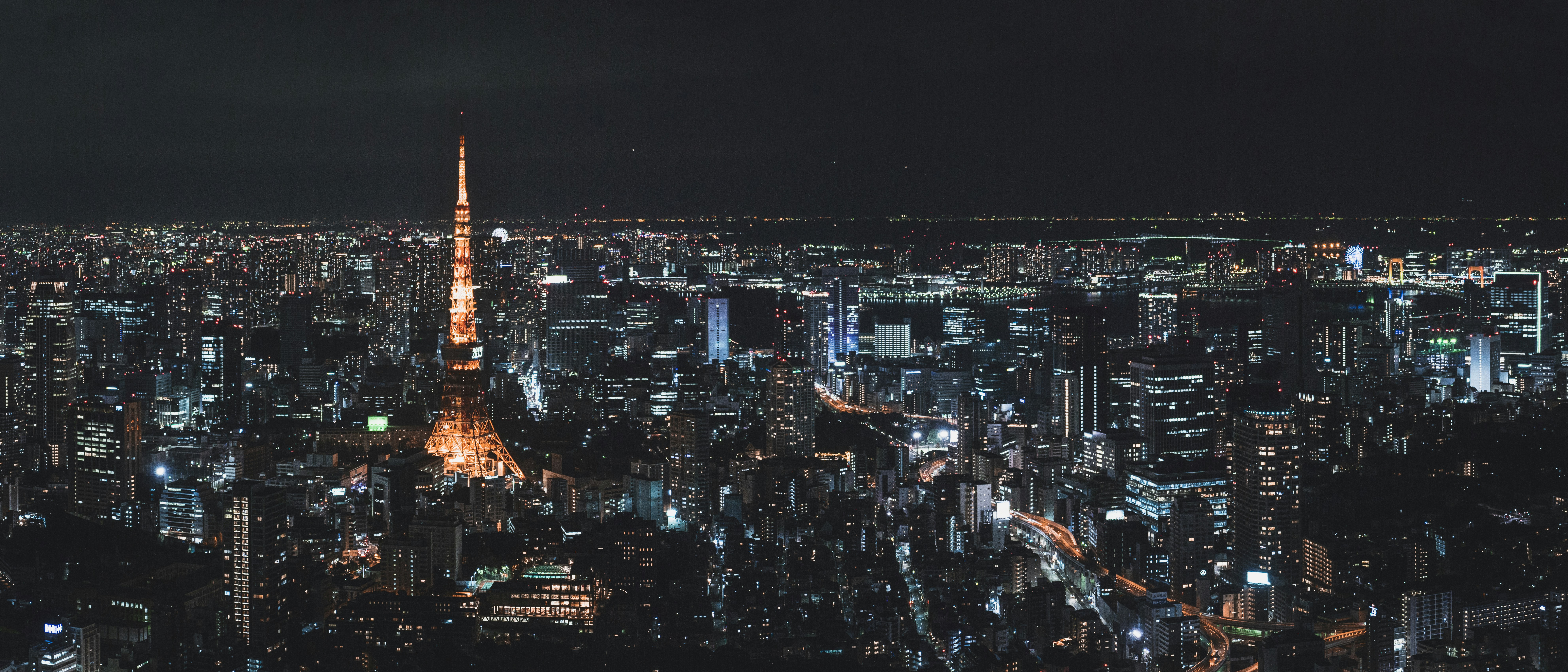
A Week in Tokyo: Highlights of the Last 7 Days
Introduction to Tokyo’s Recent Events Over the past week, Tokyo has been a hub of vibrant activities and significant happenings that captured the attention of locals and tourists alike. With an array of cultural celebrations, public gatherings, and engaging events, the city’s pulsating energy was on full display. Major festivals took center stage, showcasing Tokyo’s rich heritage and modern dynamism. For instance, the annual Sumida River Fireworks Festival took place, illuminating the night sky with brilliant pyrotechnics, drawing thousands of spectators along the riverbanks. In addition to long-standing traditions, the week also featured contemporary art exhibits that attracted both enthusiasts and curious visitors. These exhibitions highlighted the breadth of Tokyo’s artistic landscape, emphasizing the city’s role as a cultural melting pot where traditional and modern influences converge. Public gatherings, such as open-air concerts and community events, further fostered a sense of togetherness among Tokyo’s diverse population. The week also witnessed significant developments in various sectors, including technology and fashion, reinforcing Tokyo’s reputation as a global leader in innovation. Notable product launches and fashion showcases were held in the bustling districts of Shibuya and Harajuku, further establishing the city as an incubator for creative expression. These events served not only to highlight new trends but also to enhance Tokyo’s appeal to international audiences. In summary, the last seven days in Tokyo provided a vibrant tapestry of events that highlighted both its cultural richness and modern achievements, setting an exciting tone for the discussions to follow. Through these occurrences, Tokyo continues to exemplify the harmonious blend of tradition and contemporary life, ensuring its status as a prime destination for cultural exploration and engagement. Cultural Events: Festivals and Exhibitions During the last week in Tokyo, a plethora of cultural events has taken place, showcasing the city’s rich heritage and vibrant contemporary art scene. One of the most notable festivals was the Sumida River Fireworks Festival, a spectacular event that illuminated the night sky with thousands of colorful fireworks. Held along the banks of the Sumida River, this traditional festival has been captivating audiences since the 18th century. It draws both locals and tourists, fostering a sense of community and celebration of Japanese culture. Concurrently, the Tokyo Art Fair presented a series of remarkable exhibitions featuring both established and emerging artists from Japan and abroad. This event, held at the Tokyo Big Sight, highlighted a variety of artistic expressions, from contemporary installations to traditional Japanese art forms such as calligraphy and ukiyo-e (woodblock printing). Art enthusiasts had the opportunity to engage with artists and purchase unique pieces, further enriching the cultural fabric of the city. In addition to these large-scale events, smaller yet equally significant gatherings took place, such as the annual Tanabata Festival at Asagaya, where visitors wrote their wishes on colorful tanzaku (small pieces of paper) and hung them on bamboo branches. This festival, deeply rooted in Japanese tradition, celebrates the meeting of two stars, symbolizing hope and aspirations, and it has continued to unite the community in a shared cultural experience. Each of these events plays a crucial role in promoting Tokyo’s cultural identity, inviting people from various backgrounds to appreciate its history and artistic diversity. As Tokyo continues to host these vibrant festivals and exhibitions, it not only offers enriching experiences for visitors but also strengthens the bonds within the local community, fostering a thriving cultural atmosphere that is essential to the spirit of the city. Political Developments: Government Initiatives and Protests In the past week, the political landscape of Tokyo has been notably influenced by several key government initiatives and public protests. The Tokyo Metropolitan Government announced new policies aimed at enhancing the city’s sustainability and disaster preparedness. These measures are critical as Tokyo continually faces environmental challenges, including urban flooding and seismic activity. The government’s efforts to invest in green infrastructure and improve public transportation systems reflect a proactive approach to address these pressing issues, ensuring that Tokyo remains a resilient urban center. Furthermore, the announcement of these policies has sparked a wave of public discussions and debates among the citizens of Tokyo. Various civic organizations and community groups have voiced their approval as well as concerns regarding the implementation timelines and the adequacy of funding for these projects. Such dialogue is essential, as it not only raises awareness but also fosters public engagement with Tokyo’s governance. In addition to governmental initiatives, significant protests have emerged in the city last week, focusing on social justice and housing rights. Demonstrators gathered in various districts of Tokyo, expressing their grievances regarding rising housing costs and the perceived neglect of lower-income residents. The protests drew participants from various demographics, highlighting a united call for more inclusive policies from local authorities. The implications of these demonstrations underscore the need for the government of Tokyo to address economic disparities while navigating the complexities of urban development. The combination of these initiatives and protests illustrates the dynamic nature of political discourse in Tokyo. As the government seeks to implement changes to improve urban life, it must also remain attentive to the voices of its citizens, ensuring that the enhancements benefit all residents of the city. Sports News: Matches and Local Teams In the past week, Tokyo has witnessed a thrilling array of sports events that continue to shape its vibrant sports culture. The highlight of the week was the Tokyo Sports Festival, a multi-sport event that took place at the prestigious National Stadium, drawing crowds from all over the city. This annual event showcased local talent, sparking excitement amongst Tokyo’s sports enthusiasts. Several matches were held across various sports, including basketball, football, and baseball, with local teams competing fiercely for glory. A particularly notable match was the Tokyo Giants’ baseball game against their rivals, the Yokohama BayStars. The Giants achieved a commendable victory with a final score of 5-3, thanks to a stellar performance from their star pitcher, who struck out eight batters and helped secure the win. This victory not only boosts the Giants’ standing in the league but also reinforces the
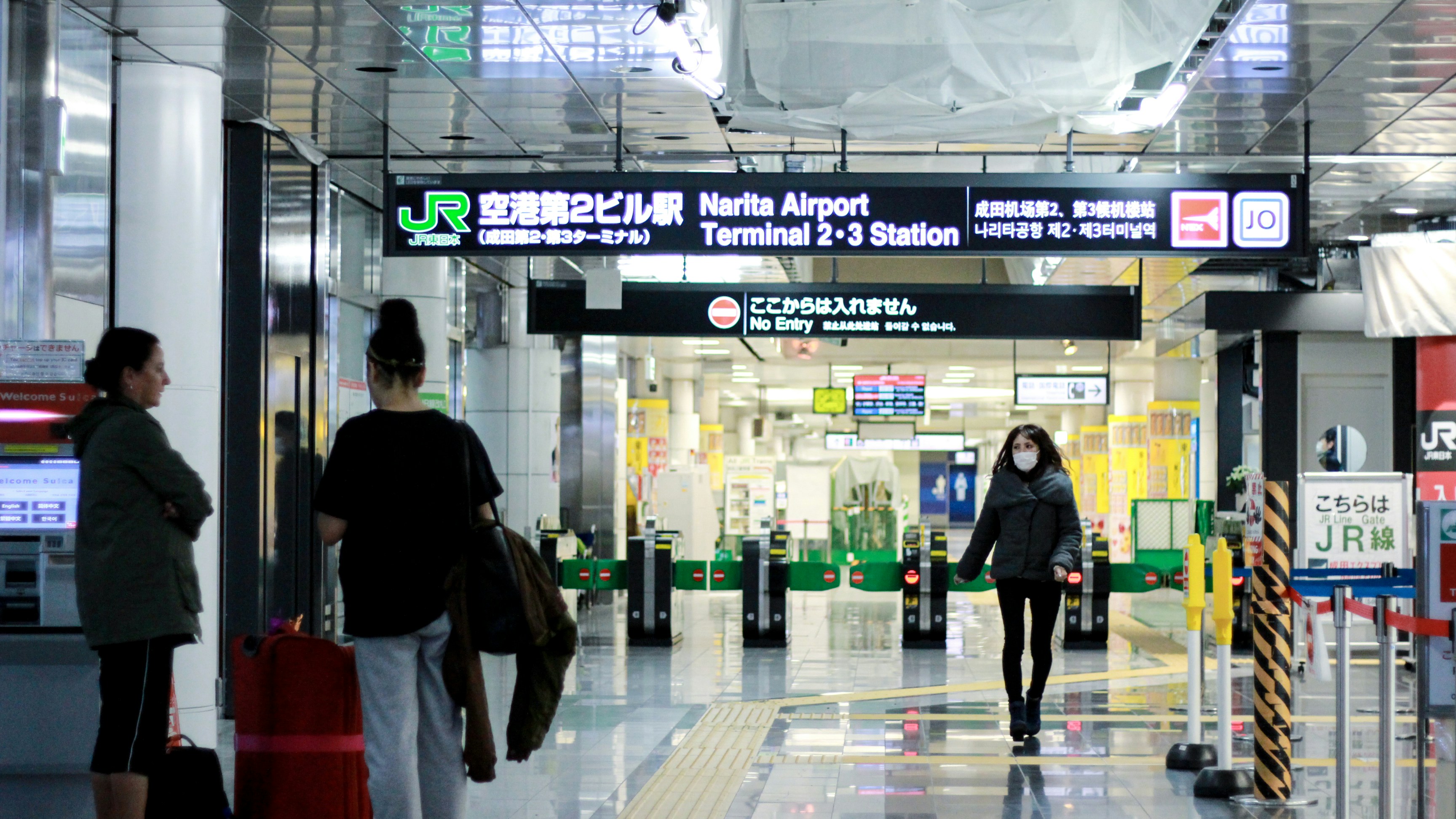
Comparison of Tokyo Airport Travel Statistics: 2024 vs 2025
Introduction to Tokyo Airport Travel Trends Tokyo, Japan, stands as a critical hub in the global travel landscape, represented chiefly by its two primary airports: Haneda Airport and Narita Airport. These airports serve as gateways not only for international travelers but also for significant domestic connections. With their strategic locations and modern facilities, both Haneda and Narita play an essential role in accommodating millions of travelers each year, facilitating tourism, business trips, and cultural exchanges. The importance of Tokyo’s airports extends beyond mere transportation; they are pivotal in shaping Japan’s economic and cultural connectivity with the rest of the world. Haneda Airport, located closer to downtown Tokyo, is renowned for its efficiency and ease of access. It primarily handles domestic flights but has increasingly expanded its international reach, catering to a growing demand for short-haul international travel. In contrast, Narita Airport, situated further from the city center, predominantly manages long-haul international flights. It serves as a crucial link for travelers from various continents. Together, these airports showcase the diverse travel dynamics in Tokyo, where trends such as increased passenger volumes, changing travel preferences, and evolving global circumstances impact airport operations and strategies. As we approach the years 2024 and 2025, analyzing the travel trends at Tokyo airports becomes even more critical. Understanding the factors driving passenger traffic, including economic conditions, tourism policies, and technological advancements, will provide vital insights. Moreover, this comparative analysis will highlight the implications of these trends, shedding light on how Tokyo’s airports adapt to meet the needs of travelers and remain competitive in the ever-evolving aviation landscape. The ensuing sections will delve deeper into specific travel statistics and significant changes observed during these years, offering a comprehensive view of Tokyo’s airport travel trends. Expected Travel Statistics for 2024 The anticipated travel statistics for Tokyo Airport in 2024 reveal significant recovery trends as the aviation industry continues to rebound from the impacts of the COVID-19 pandemic. Airlines are steadily revamping their schedules, aiming to increase capacity to meet the expected surge in passenger traffic. According to various industry forecasts, Tokyo could see a sharp increase in international travelers, projected to reach approximately 70 million by the end of the year, marking a significant rise compared to the previous years. Several factors are expected to drive this robust growth. First, global tourism campaigns aimed at promoting Japan as a travel destination will play a critical role. Events such as the annual Tokyo Olympics legacy programs and other cultural festivals are set to attract both international and domestic visitors. Furthermore, Japan’s easing of travel restrictions and the anticipated influx of international tourists are likely to bolster these statistics. Economic conditions will also influence traveler numbers at Tokyo Airport. Positive economic indicators from key source markets, including the United States, Europe, and nearby Asian countries, could amplify travel demand. The recovery of corporate travel, fueled by businesses looking to reconnect with global partners, will also contribute to the statistics. Additionally, advancements in aviation technology and services will enhance the overall travel experience, encouraging more travelers to choose Tokyo as their entry point into Japan. Enhanced digital interfaces for bookings and streamlined immigration processes are just a few examples of improvements expected to facilitate smoother transitions for international travelers. As these conditions align, the outlook for travel statistics at Tokyo Airport in 2024 remains optimistic, reflecting a resurgence in global mobility and the enduring appeal of Tokyo as a premier travel hub. Tourism Trends Influencing 2024 The tourism landscape expected in 2024 highlights several key trends that may significantly influence travel to and from Tokyo. One of the most pivotal factors is the resurgence of cultural festivals and events, which historically draw large crowds both domestically and internationally. Festivals such as the Tokyo Summer Festival and the Hibiya Matsuri are anticipated to attract tourists eager to experience Japan’s rich cultural heritage. These events not only enhance local tourism but also stimulate the aviation sector, leading to increased passenger numbers at Tokyo airports. Additionally, the return of major sporting events, including the anticipated Tokyo Marathon and various international competitions, is likely to bolster tourism. Sports enthusiasts from around the globe are expected to flock to Tokyo, fueled by a desire to witness these events live. The spike in attendees will consequently result in higher air travel demand, contributing to the overall increase in airport traffic. Moreover, the gradual recovery of business travel poses a significant factor in shaping tourism dynamics in 2024. Following the disruptions caused by the pandemic, corporations are expected to resume in-person meetings and conferences, consolidating Tokyo as a business hub. As companies reinstate their travel budgets, the influx of business tourists is predicted to enhance the economic fabric of the region. This revival can be seen as a vital aspect in driving airport utilization, as business travelers often require more straightforward itineraries and robust services, thereby increasing overall flight frequency. In conclusion, the tourism trends expected to influence 2024, encompassing cultural festivals, sporting events, and the renewal of business travel, will collectively enhance the travel landscape in Tokyo. These elements are set to create a vibrant atmosphere conducive to increased travelers, ultimately impacting the flow of passengers through Tokyo’s airports. Anticipated Travel Statistics for 2025 As we look ahead to 2025, the travel statistics for Tokyo Airport indicate a significant potential for growth as the global travel landscape continues to evolve. After the considerable disruptions caused by the COVID-19 pandemic, many airports, including Tokyo, are experiencing a steady recovery in passenger numbers. Industry experts predict that international and domestic travel volumes will rebound, with hopes of surpassing pre-pandemic levels. According to recent forecasts, it is anticipated that Tokyo Airport will witness an increase in traveler numbers compared to 2024. Various factors are contributing to this optimism. First, the ongoing recovery from the pandemic is leading to increased consumer confidence in air travel. As vaccination rates rise globally and travel restrictions begin to ease, more individuals are likely to plan their trips to Tokyo for business, leisure, and

Celebrating New Year’s Eve 2025 in the Vibrant City of Tokyo
Introduction to New Year’s Eve in Tokyo New Year’s Eve, or “Omisoka,” holds a special place in Japanese culture, particularly in the bustling metropolis of Tokyo. This occasion marks the transition from one year to the next, serving as a time of reflection, gratitude, and renewal. The significance of Omisoka goes beyond mere celebration; it is deeply intertwined with Japanese traditions that emphasize family bonding, the commemoration of the past year, and anticipation for the year ahead. In the lead-up to New Year’s Eve, Tokyo transforms into a spectacular display of lights and decorations. Streets, shops, and homes are adorned with symbolic ornaments such as “kadomatsu” and “shimekazari,” which invite prosperity and happiness for the upcoming year. This preparation reflects the importance of welcoming the new beginnings while honoring the old, a theme central to Japanese customs. As midnight approaches, the atmosphere is charged with excitement and anticipation, as both locals and visitors come together to partake in the festivities. One of the most iconic traditions observed during this time is “Joya no Kane,” where temple bells across the city are rung 108 times at midnight. This ritual symbolizes the cleansing of the 108 earthly desires that are believed to cause human suffering, allowing individuals to start the new year afresh. Coupled with the ringing of the bells, individuals partake in eating “toshikoshi soba,” a noodle dish that signifies long life. Such customs embody the rich cultural tapestry of Tokyo, blending ancient rituals with contemporary celebrations, making New Year’s Eve a truly unique experience. As Tokyo gears up to welcome 2025, the city promises a vibrant celebration, reflecting both its historical significance and its modern spirit. This juxtaposition of tradition and contemporary festivities ensures that each New Year’s Eve is a memorable occasion filled with joy, hope, and community spirit. Tokyo’s Most Iconic New Year’s Eve Celebrations Tokyo, a city that seamlessly blends the traditional and the modern, offers an array of spectacular locations for ringing in the New Year. Among the most iconic spots is Shibuya Crossing, often regarded as one of the most bustling pedestrian intersections in the world. On New Year’s Eve, thousands gather at this vibrant locale to participate in the countdown. The atmosphere is electric, as crowds countdown with excitement, culminating in spirited celebrations complete with fireworks and music. The sight of the illuminated screens juxtaposed against the enthusiastic crowd creates a unique celebratory experience, making Shibuya an unmissable destination for revelers. Another prominent site is Tokyo Tower, which typically hosts grand countdown events featuring live performances and cultural displays. Visitors flock to the observation decks to enjoy panoramic views of the city, adorned with festive lights. The tower’s spectacular firework displays at midnight are especially cherished, providing a breathtaking backdrop to the onset of the New Year. Its unique blend of history and contemporary festivities attracts both locals and tourists, enhancing Tokyo’s rich New Year’s celebration offerings. Moreover, Tokyo’s temples present an entirely different, yet equally enchanting atmosphere for New Year’s Eve. Meiji Shrine, nestled in a serene forest, is one of the most significant Shinto shrines, drawing thousands of visitors who seek to partake in the first prayer of the year, known as “Hatsumode.” Visitors experience traditional rituals, admire beautiful decorations, and savor festive food stalls offering popular New Year delicacies. The calm ambiance combined with the fervent spiritual atmosphere serves as a contrast to the bustling urban celebrations, embodying the diverse ways in which Tokyo residents and visitors usher in the New Year. Culinary Delights for the Celebration As the vibrant city of Tokyo gears up for New Year’s Eve 2025, culinary traditions take center stage, offering a rich tapestry of flavors that are integral to Japanese culture. One of the most significant dishes that Japanese families indulge in during this festive season is toshikoshi soba, or year-crossing noodles. This symbolic dish is consumed on New Year’s Eve as a way to bid farewell to the old year and welcome the new one. The long noodles represent longevity and resilience, making them a staple on many dinner tables across Tokyo as the clock strikes midnight. In addition to toshikoshi soba, the elaborate spread known as osechi ryori plays a central role in New Year celebrations. Osechi is a collection of beautifully arranged dishes, each with its own auspicious meaning, such as the black beans for health and the herring roe for fertility. These dishes are prepared well in advance, allowing families to spend New Year’s Day together without the need for extensive cooking. This joyous tradition is reflected in the multitude of restaurants throughout Tokyo that offer gourmet takeout options and delivery services, providing families the opportunity to savor these delicacies without the stress of preparation. Moreover, one cannot overlook the numerous kagamimochi, a traditional ornament made of rice cakes, which are displayed in homes as an offering to the gods. As visitors traverse the bustling streets of Tokyo, they will encounter various street vendors and stalls serving tantalizing treats like taiyaki and yakitori, ensuring the festive atmosphere is complemented by an array of delicious flavors. The culinary offerings during this time not only celebrate Japan’s rich heritage but also highlight Tokyo’s dynamic food scene, making the New Year’s celebration a multi-sensory experience filled with delightful taste and tradition. Events and Activities Leading Up to Midnight As the clock approaches midnight on December 31, 2025, Tokyo transforms into a vibrant hub of celebration, offering a plethora of events and activities that cater to both locals and tourists alike. The city’s eclectic mix of modernity and tradition sets the stage for an unforgettable New Year’s Eve experience. One of the highlights of the New Year’s Eve festivities in Tokyo is the famous countdown parties held at various iconic locations such as Shibuya Crossing and Tokyo Tower. These events feature live music performances, DJs, and dazzling light displays, drawing crowds eager to welcome the new year with jubilation. Arriving early is advisable, as these popular venues can become quite crowded. For a local
Exploring Tokyo: Upcoming Events in November 2025 and Travel Tips from the Airport
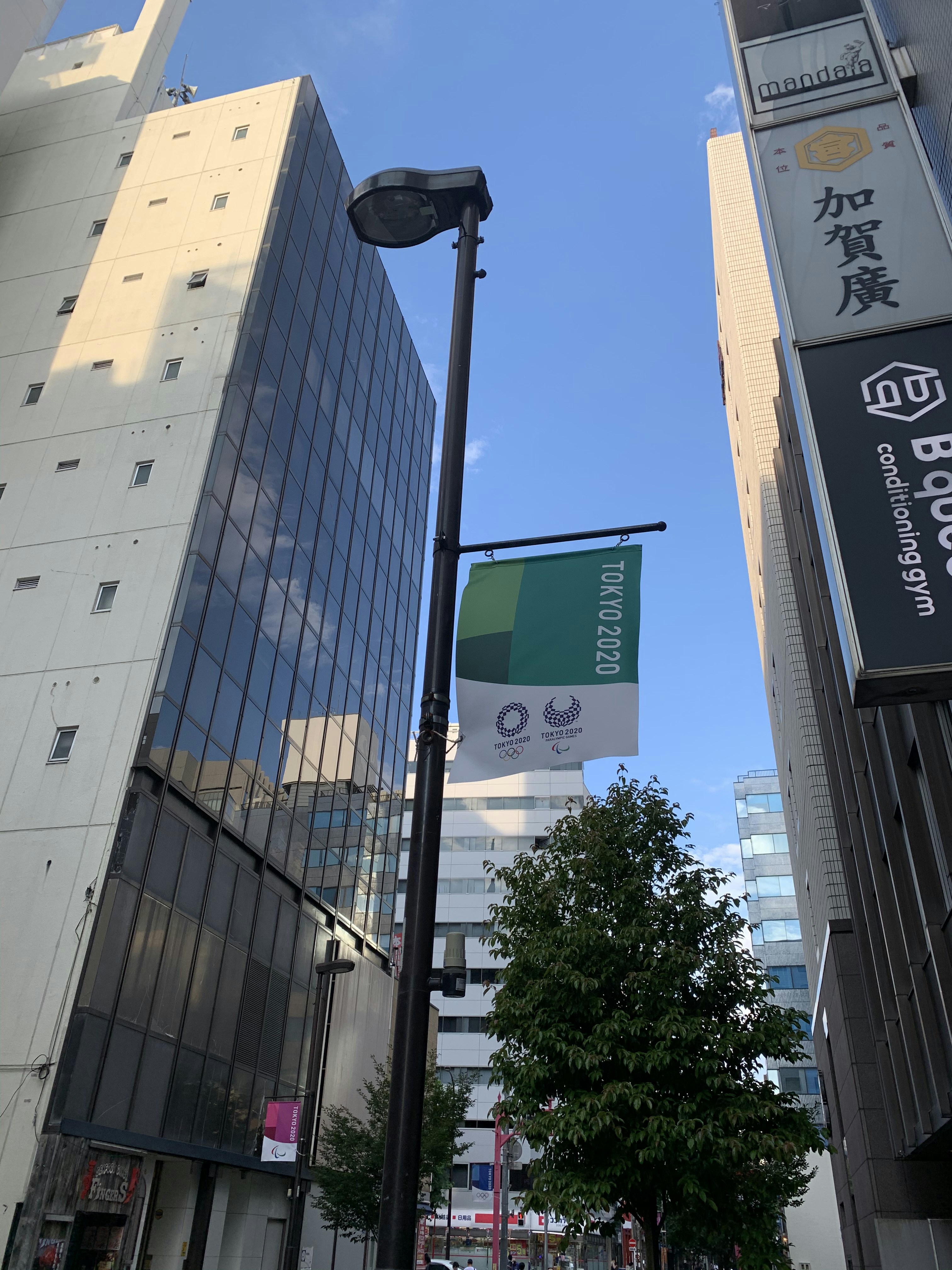
Introduction to Tokyo in November 2025 Tokyo, a vibrant metropolis known for its unique blend of tradition and modernity, offers a captivating experience for travelers, especially in November. As autumn unfolds, the city transforms into a picturesque landscape, with colorful foliage painting the parks and streets in warm hues of red, orange, and gold. This enchanting atmosphere draws numerous tourists who seek to witness the seasonal changes and enjoy the mild weather that characterizes this time of year. November is particularly significant for travel and tourism in Tokyo due to various events and festivals that take place. As the hustle and bustle of summer subsides, visitors can immerse themselves in the local culture through the myriad of activities available. The cooler temperatures create a comfortable environment for exploring the city’s numerous attractions, including the iconic temples, modern skyscrapers, and quaint neighborhoods. It is an ideal time to appreciate both the breathtaking natural beauty and the dynamic urban landscape that Tokyo has to offer. In addition to the stunning scenery, November is a month that showcases Tokyo’s cultural richness. Local markets, art exhibitions, and food festivals flourish, inviting travelers to indulge in the flavors and artistry of Japanese culture. Visitors can take advantage of special events, including seasonal food offerings that highlight the harvest during this time. Hence, alongside experiencing the season’s breathtaking ambiance, tourists are encouraged to engage with the vibrant local community and their traditions. As we delve deeper into this blog, we will explore specific events happening throughout Tokyo in November 2025. Travelers considering this magnificent city as their next destination can anticipate a memorable trip filled with delightful experiences, and unique opportunities to connect with Japan’s rich heritage. Major Events Happening in November 2025 November 2025 will be an exciting month for both locals and tourists in Tokyo, featuring a diverse array of events that celebrate culture, art, and community spirit. One of the prominent highlights is the Tokyo International Film Festival, taking place from November 1 to November 9 at various venues around the city. This acclaimed festival showcases a mix of domestic and international films, providing filmmakers a platform to present their work while also inviting discussions on cinematic artistry. Another noteworthy event is the Tokyo Art Fair, which runs from November 19 to November 22 at the Tokyo Big Sight exhibition center. This fair attracts galleries and artists from around the world, presenting modern art, photography, and sculptures. Visitors will have the opportunity to purchase artworks, engage with artists directly, and attend workshops and lectures regarding the evolving art scene. The Sapporo Snow Festival will also have a significant Tokyo exhibition during this month, showcasing stunning ice sculptures along the streets of Marunouchi during the first two weeks of November. This enchanting display will feature innovative design and craftsmanship, transforming the urban landscape into a winter wonderland. For music enthusiasts, the Tokyo Jazz Festival is scheduled for November 15 and 16, held in Ueno Park. This event promises to bring together a line-up of international and local jazz artists, creating a vibrant atmosphere filled with live performances amidst the park’s picturesque scenery. Lastly, the traditional Tokyo Festival, which celebrates the rich heritage and community of the city, will occur over the weekend of November 27 and 28. This festival will include parades, costume contests, performances, and traditional food stalls, allowing visitors to immerse themselves in the cultural diversity that Tokyo offers. These major events in November 2025 encapsulate Tokyo’s dynamic cultural landscape, promising unforgettable experiences for all who attend. Cultural Festivals Unique to November November in Tokyo marks the arrival of several cultural festivals that hold immense significance for both locals and visitors. Among these, Shichi-Go-San stands out as a cherished tradition celebrated on November 15th. This festival, translating to “Seven-Five-Three,” honors children who are three, five, or seven years old. Families dress their children in beautiful kimonos and visit Shinto shrines to pray for their health and happiness. The event not only offers a glimpse into Japan’s rich traditions but also allows travelers to witness the vibrant atmosphere filled with joy and family gatherings. In addition to Shichi-Go-San, the Tokyu Art Festival takes place in November, showcasing the works of local artists. This festival emphasizes the importance of arts in the community, encouraging creativity and cultural exchange. Visitors can participate in workshops, view art exhibitions, and gain insights into contemporary Japanese culture. Attending such events not only enhances the travel experience but also deepens the appreciation for Japan’s artistic heritage. Another notable event is the annual Nengajo (New Year’s Card) Festival, where locals engage in the creative process of preparing their unique cards for the New Year. Visitors are often welcomed to partake in this fun activity, allowing them to experience a vital component of Japanese culture. These festivals in November serve as a wonderful opportunity for travelers to immerse themselves in the local customs and traditions. By participating in these events, visitors can connect with the local community, learn about historical practices, and create lasting memories during their stay in Tokyo. Art and Music Events to Attend November 2025 is set to be an exhilarating month for art and music enthusiasts visiting Tokyo. Throughout the city, various events will showcase a diverse array of talent, from local emerging artists to renowned international performers. The blend of traditional and contemporary styles will serve to highlight the vibrant cultural tapestry that defines the Japanese capital. One of the most anticipated art exhibitions is the Tokyo Art Fair, which will bring together galleries from across the globe under one roof. This event will feature an extensive range of contemporary artworks, including paintings, sculptures, and multimedia installations. Visitors will have the opportunity to engage directly with artists during special meet-and-greet sessions, giving them insights into the creative process. Furthermore, numerous galleries across the city will host open studios, allowing travelers to explore Tokyo’s thriving art scene firsthand. Music lovers will find themselves captivated by the Tokyo Jazz Festival, which is scheduled to take place in
Visiting Tokyo in September: A Comprehensive Guide to Things to Do and Getting There from the Airport
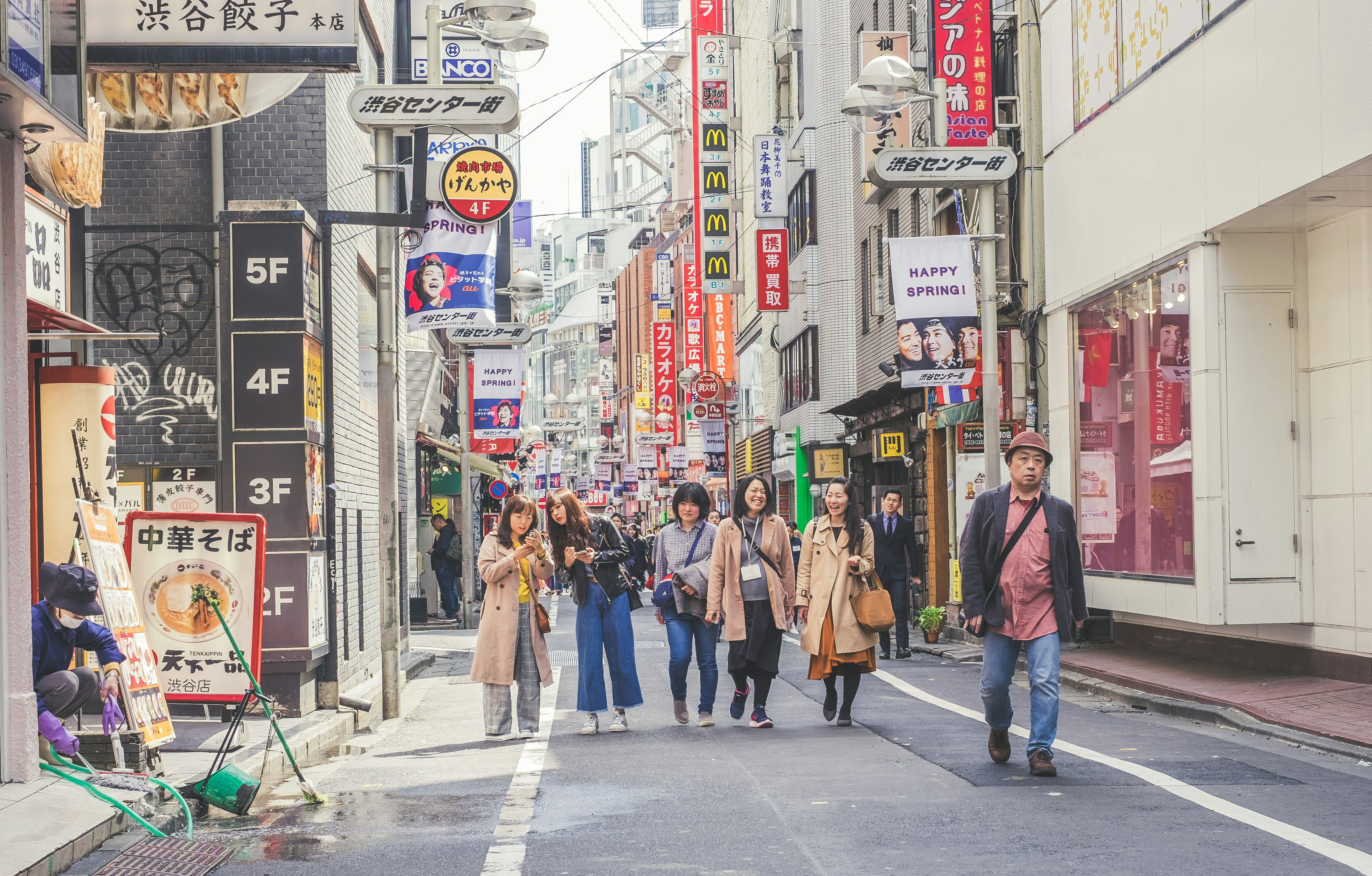
Introduction to Tokyo in September Tokyo, the capital city of Japan, presents a dynamic experience for visitors in September. This month marks a significant transition from the sweltering summer heat to the more temperate conditions of autumn, making it an ideal time to explore the city. Average temperatures range from 20°C to 27°C (68°F to 81°F), providing a comfortable environment for outdoor activities and sightseeing. The lower humidity levels of September create a more pleasant atmosphere, encouraging travelers to immerse themselves in Tokyo’s vibrant culture and stunning landscapes. One of the highlights of visiting Tokyo in September is the opportunity to experience various traditional festivals and cultural events. The city’s calendar is filled with activities that showcase Japan’s rich heritage. For instance, the famous Sanja Matsuri, celebrated at Asakusa Shrine, attracts a multitude of locals and tourists alike, offering an authentic glimpse into the cultural fabric of the city. The festival is renowned for its lively parades, traditional music, and dance performances, creating an immersive cultural experience for attendees. In addition to festivals, September is a time when many art galleries and museums showcase special exhibits, providing visitors with rich intellectual and artistic experiences. The city’s parks offer impressive displays of early autumn foliage, especially in popular spots like Shinjuku Gyoen and Ueno Park, further enhancing the allure of the destination. Overall, September in Tokyo combines pleasant weather, a lively atmosphere, and plenty of cultural events, making it a prime month for travelers to explore the wonders of this bustling metropolis. Top Attractions to Visit in Tokyo Tokyo, a vibrant metropolis, offers a myriad of attractions that are essential to explore for any visitor. One prominent site is the Meiji Shrine, located in Shibuya. Dedicated to Emperor Meiji and Empress Shoken, the shrine is surrounded by a serene forest, creating a peaceful sanctuary amidst the hustle and bustle of the city. In September, visitors can partake in Shinto rituals and enjoy the beautiful autumn leaves beginning to change colors. The shrine is open all year round, attracting those who seek a deeper understanding of Japan’s spiritual heritage. Another must-visit landmark is the Senso-ji Temple in Asakusa, which is Tokyo’s oldest and most important temple. Founded in 645 AD, this iconic site is significant in Japanese culture. The the vibrant Nakamise Street leading to the temple is lined with traditional stalls selling local snacks and souvenirs, making it a lively destination. September often sees festivals and cultural events, which provide an opportunity for travelers to experience authentic Japanese customs. The temple remains open until late evening, allowing for enchanting views at night. Lastly, the Tokyo Tower stands as a symbol of Japan’s post-war rebirth as a flourishing nation. Resembling the Eiffel Tower, it offers breathtaking panoramic views of the cityscape, especially stunning as summer transitions into autumn. Visitors in September can enjoy special exhibitions that focus on its rich history and engineering. The tower is open from 9 AM to 11 PM, making it convenient for tourists to catch spectacular dusk vistas. Each of these attractions contributes uniquely to a comprehensive Tokyo experience, showcasing the city’s blend of tradition and modernity. Festivals and Events in September September is a vibrant month in Tokyo, characterized by a variety of festivals and events that attract both locals and tourists alike. One of the most notable events is the Asakusa Jinja Sanja Matsuri, typically held on the third weekend of September. This festival is dedicated to the three founders of the Senso-ji Temple, which is Japan’s oldest temple, attracting large crowds. Visitors can experience traditional Shinto rituals, parades featuring elaborate floats, and lively street performances. The atmosphere is charged with excitement as participants dressed in traditional attire display their cultural heritage through dance and music. Another significant event in September is the Tokyo Game Show, usually taking place in the latter half of the month. This premier gaming expo showcases the latest in video games and technology, drawing thousands of enthusiasts from around the globe. Attendees can look forward to exclusive game demos, gaming tournaments, and opportunities to meet industry professionals. The Tokyo Game Show serves as a platform for game developers to unveil new titles and innovations, making it a must-visit for gamers and tech enthusiasts alike. Moreover, the weather in September is generally pleasant, which adds to the enjoyment of outdoor festivities. The mid-month period marks the transition into autumn, making it a fantastic time to explore kimonos and enjoy seasonal delicacies. Besides the major events, numerous smaller local festivals, or matsuri, occur throughout different neighborhoods. These festivals often feature food stalls, traditional games, and performances, providing an authentic glimpse into Japanese customs. Overall, September in Tokyo promises a diverse array of events that cater to various interests, ensuring that visitors can find something enjoyable to partake in during their stay. Seasonal Food and Culinary Delights September in Tokyo marks the transition from summer to autumn, bringing a rich array of seasonal foods that showcase the city’s culinary diversity. As temperatures begin to cool, traditional dishes made from fresh, locally sourced ingredients take center stage, offering both flavor and nourishment. Highlighting the essence of Japanese cuisine, visitors can expect to find a variety of autumnal delicacies that are sure to delight their taste buds. One of the must-try seasonal dishes is “kuri gohan,” a delightful rice dish cooked with chestnuts. The sweetness of the chestnuts combined with the umami of the rice exemplifies the harmony that defines Japanese food. Other traditional offerings include “sanma,” or Pacific saury, which is grilled to perfection and typically enjoyed with a drizzle of soy sauce and a side of grated daikon radish. This fish is celebrated not only for its flavor but also for its symbolism of the autumn equinox. In addition to these dishes, visitors to Tokyo should not miss the opportunity to sample “mikan,” a type of Japanese citrus fruit that becomes abundantly available in September. Its refreshing sweetness makes it a perfect snack after exploring the vibrant streets of the city. Local