
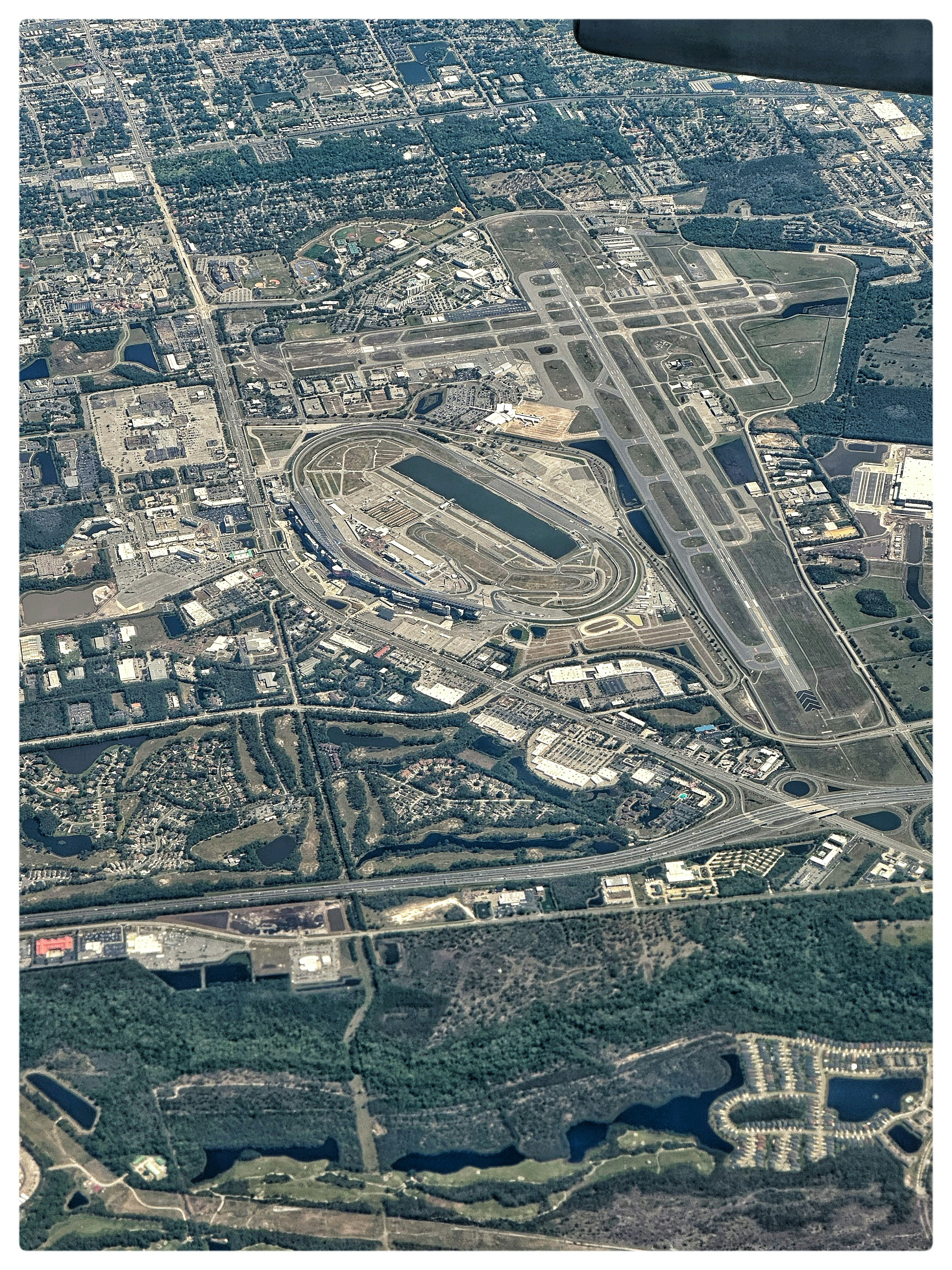
Introduction to Tokyo Airport
Tokyo Airport, known primarily as Haneda Airport, stands as a pivotal gateway between Asia and North America. Located merely 14 kilometers south of Tokyo’s city center, it serves not only as a critical hub for domestic flights but also as a significant international airport facilitating global travel. Haneda is recognized for its proximity to the capital, making it an accessible choice for travelers from various destinations. The airport’s strategic position is complemented by extensive transportation links, including the well-connected Tokyo Monorail and the Keikyu Line, which provide seamless access to the city and surrounding areas.
As one of the busiest airports in the world, Tokyo Airport boasts modern facilities and a range of amenities designed to enhance the traveler experience. The airport features multiple terminals, each equipped with restaurants, shops, and lounges that cater to the varied needs of international passengers. Moreover, Haneda has been consistently working to improve its infrastructure, ensuring efficiency and comfort through innovations and upgrades. This commitment to quality service further solidifies its reputation as a top choice for travelers flying between Asia and North America.
Tokyo Airport plays a crucial role in global air travel, connecting travelers from one of the world’s major economic centers—Tokyo—to destinations across the globe. The airport operates numerous flights to and from key cities in North America, allowing for easy access for both business and leisure travelers. Furthermore, Haneda’s strategic offerings, combined with its reputation for punctuality and safety, make it a preferred choice for many looking to traverse between these two vital regions. As we explore the various facets of this influential airport, it is important to recognize its significant role in shaping the dynamics of international travel.
Geographical Significance
Tokyo Airport, officially known as Narita International Airport, is strategically located in the eastern part of Japan, making it an essential transit point between Asia and North America. Its geographical position allows it to serve as a midpoint for numerous international flights, significantly reducing overall travel time for passengers traveling between these two dynamic regions. This advantage is particularly evident in the aviation sector, where efficiency and convenience are paramount for both airline operators and travelers.
From Tokyo, major North American cities such as San Francisco, Los Angeles, New York, and Chicago are accessible within a reasonable flight duration. For instance, direct flights from Tokyo to Los Angeles take approximately 12 hours, while flights to New York hover around 14 hours. Conversely, this location also links various Asian metropolises including Beijing, Seoul, and Bangkok, further bolstering its reputation as a central hub. The efficient layout of airline routes emanating from Tokyo Airport directly correlates with the growing demand for travel between these vital markets.
Moreover, the airport’s facilities and infrastructure support its role as a strategic connector. With multiple runways and a capacity to handle significant passenger volumes, Tokyo Airport meets the needs of both international and local travelers. Maps detailing flight routes showcase the central role that Tokyo plays in easing travel across the Pacific, thus enriching its appeal as a preferred transit hub. The ability of Tokyo to serve both Asia and North America efficiently enhances its status, encouraging frequent use and establishing it as a vital link in global air travel.
Historical Context
The development of Tokyo Airport, officially known as Haneda Airport, commenced in the early 20th century. Originally established in 1931 as a flying boat base, it was not until 1934 that it began to accommodate land-based aircraft. This period marked the inception of mass air travel in Japan, coinciding with the nation’s growing international presence. With World War II and its aftermath, the airport’s operations were notably limited, but this changed during the late 1940s as commercial aviation emerged as a critical component of global transportation networks.
The 1960s heralded a significant transformation for Tokyo Airport. The completion of a new terminal was a response to increasing passenger numbers and a broader push towards modernization in the aviation industry. It was during this time that Haneda solidified its status as a domestic travel hub, effectively connecting Tokyo with various regions across Japan. The expansion continued with the introduction of international services, which further integrated the airport into global travel routes, particularly those between Asia and North America.
<pthe 1950s="" 20th="" a="" accommodate="" advancements="" air="" aircraft="" airliners="" airport's="" airport.="" and="" at="" aviation="" century="" concurrently,="" crucial="" development="" efficient="" enabling="" expansions="" experience.As Tokyo Airport continued to evolve, it became increasingly important both as a national and regional hub. Key events, such as the 1964 Tokyo Olympics and the expansion of international businesses in Japan, further highlighted its pivotal role in facilitating air travel. Today, Tokyo Airport stands as a testament to over eight decades of aviation history, functioning as a strategic link between Asia and North America, while continuing to adapt to modern aviation demands.
Airline Partnerships and Alliances
Tokyo Airport, officially known as Haneda Airport (HND), has emerged as a strategic hub in the aviation network connecting Asia and North America. Several prominent airlines have formed partnerships and alliances that capitalize on this key location to enhance their service offerings and improve passenger connectivity. Major airlines including All Nippon Airways (ANA), Japan Airlines (JAL), and American Airlines rely heavily on Tokyo as a crucial transit point for international travelers.
All Nippon Airways, a member of the Star Alliance, utilizes Tokyo Airport to facilitate smooth and efficient connections between various destinations in Asia and North America. By integrating their flight schedules and leveraging Tokyo’s geographic advantage, ANA provides seamless travel options for passengers, allowing for practically instantaneous transfers between flights, thus minimizing travel time.
Japan Airlines also plays a significant role in this airline network, as part of the Oneworld Alliance. The airline’s strategic partnerships with carriers such as British Airways and Qantas further strengthen the accessibility of Tokyo for international travelers. These collaborations ensure that passengers have ample choices for their flights, whether their intended destination is within Asia or further afield across the Pacific to North America.
Moreover, Tokyo Airport’s extensive international flight offerings are complemented by codeshare agreements among various airlines. These arrangements enable airlines to sell seats on each other’s flights, generating a more comprehensive travel network that facilitates seamless travel. The partnerships fostered through these airline alliances create a significant impact on the travel experience, driving increased competition while optimizing route efficiency.
Ultimately, the synergy between Tokyo Airport and its associated airlines showcases the airport’s importance in the global aviation landscape. By providing strong connections and extensive choices for passengers, Tokyo serves as a pivotal gateway between Asia and North America.
Economic Impact on Japan
Tokyo Airport serves as a crucial global gateway that significantly impacts Japan’s economy. Its strategic location between Asia and North America facilitates not only a high volume of passenger traffic but also a substantial flow of cargo, positioning it as a linchpin in international trade. The airport is a major contributor to tourism, attracting millions of visitors from around the world each year. In 2019 alone, Tokyo welcomed approximately 16 million international tourists, with a significant portion arriving via the airport, generating extensive revenue for local businesses and contributing to the overall economic landscape.
Additionally, business travel is another area where Tokyo Airport plays a vital role. The hub connects key markets in North America and Asia, enabling executives and professionals to travel efficiently for trade, investment, and collaboration purposes. This connectivity positively influences various sectors, including technology, finance, and entertainment, fortifying Japan’s status as a leading economic power. Estimates suggest that business travelers contribute significantly to the local economy, spending more on average compared to leisure travelers.
Furthermore, the operation of Tokyo Airport creates numerous jobs, directly and indirectly, ranging from airport staff to those in sectors benefiting from enhanced connectivity. The airport’s operations generate billions of dollars in economic output, underscoring its relevance as an economic driver. The financial implications extend beyond tourism and business travel; they encompass trade operations, foreign investment, and overall economic growth. Local hotels, restaurants, and retail businesses notably thrive due to the influx of travelers, illustrating the broader influence of Tokyo Airport on Japan’s economy.
In conclusion, Tokyo Airport’s strategic positioning is instrumental in bolstering Japan’s economic growth, impacting tourism, business travel, and trade while facilitating global connectivity. The financial statistics associated with its operations further highlight its essential role as a key economic player in the region.
Travel Convenience and Infrastructure
Tokyo Airport, primarily known as Narita International Airport and Haneda Airport, plays a crucial role in connecting Asia and North America through its advanced infrastructure and transport facilities. Both airports have been designed with passenger convenience as a focal point, making travel not only efficient but also enjoyable. The accessibility of these transport options makes Tokyo an ideal starting point for both business and leisure travelers aiming to explore Asia or North America.
One of the key features of Tokyo Airport’s infrastructure is its extensive rail network. The Narita Express, for instance, provides a direct and rapid connection to central Tokyo, ensuring that passengers can reach their final destinations with minimal hassle. Additionally, the Tokyo Monorail connects Haneda Airport with downtown Tokyo, further enhancing accessibility. These rail services are complemented by frequent and affordable bus connections, known as Airport Limousine Buses, which service various hotels and key locations throughout the city.
For those preferring taxis, options are readily available outside the terminal. The efficient cab system, featuring both standard and luxury vehicles, caters to travelers seeking comfort and direct access to their hotels or meeting points. Moreover, the airports boast a range of travel assistance facilities, such as information desks and multilingual staff, helping to ease language barriers for international visitors.
Beyond transportation, the airports offer an array of shopping and dining experiences to enhance the traveler’s journey. Shops feature both international brands and local Japanese products, making it possible for passengers to take a piece of Tokyo with them. Dining options range from traditional Japanese cuisine to Western fast food, catering to diverse tastes. Altogether, Tokyo Airport’s commitment to passenger convenience through its comprehensive infrastructure plays a vital role in supporting its position as a strategic hub between Asia and North America.
Impact of Global Events on Operations
The operations of Tokyo Airport, one of the key transit points between Asia and North America, have been significantly influenced by global events in recent years. The COVID-19 pandemic, in particular, brought forth unprecedented challenges, necessitating drastic alterations to airport protocols and operations. As international travel plummeted and safety became paramount, Tokyo Airport authorities implemented rigorous health measures, including temperature screenings, mandatory masks, and enhanced sanitization processes. These steps were crucial in restoring confidence among travelers and ensuring compliance with international standards.
The strategic importance of Tokyo Airport as a gateway connecting Asia with North America was further underscored during this global health crisis. Despite the decrease in passenger numbers, the airport maintained cargo operations to facilitate the flow of essential supplies, ensuring that vital goods could still be transported. This adaptability showcased the airport’s commitment to serving not only as a passenger hub but also as an essential logistics center during a time of need.
Additionally, geopolitical tensions in the Asia-Pacific region have further complicated the operational landscape for Tokyo Airport. Rising trade disputes and shifting diplomatic relations can alter air travel routes and impact service frequencies. In response to such developments, airport officials have engaged in strategic partnerships and developed contingency plans to navigate potential disruptions effectively. Through these proactive measures, Tokyo Airport continues to position itself as a resilient hub amidst an ever-evolving global environment.
Overall, the ongoing adaptations prompted by these global events have led to a re-evaluation of operational practices. Tokyo Airport’s response showcases its ability to manage challenges while prioritizing safety and efficiency, which remains vital for maintaining its status as a central figure in facilitating travel between Asia and North America.
Future Prospects of Tokyo Airport
As a pivotal transit hub between Asia and North America, Tokyo Airport is poised to experience significant transformations in the coming years. Planned expansions aim to increase capacity and improve the overall travel experience for passengers. In response to the surge in international air traffic, particularly from burgeoning economies in Asia, the airport authorities are investing in infrastructure upgrades that include new terminals and expanded runway facilities. These enhancements are designed to not only accommodate larger aircraft but also reduce congestion during peak travel times.
Technological advancements will play a crucial role in shaping the future of Tokyo Airport. Innovative solutions, such as automated check-in and baggage handling systems, are on the horizon. The implementation of artificial intelligence for crowd management and real-time flight updates will further streamline operations. Moreover, the airport is exploring the use of biometrics to enhance security and improve the efficiency of passenger processing, ensuring that the traveler experience remains efficient and secure. These advancements are aimed at making Tokyo a more attractive destination for international travelers, particularly those journeying between North America and Asia.
However, the evolution of Tokyo Airport will face several challenges. As global travel patterns change, airport management must adapt to fluctuating demand. Factors such as geopolitical tensions, economic fluctuations, and environmental regulations may influence travel trends between Asia and North America. Moreover, the recent trends toward sustainability necessitate that Tokyo Airport invest in eco-friendly technologies and practices. As competition grows among major airports in the region, the ability to address these challenges effectively will be pivotal in maintaining Tokyo’s status as a leading transit hub.
In conclusion, the future of Tokyo Airport hinges on its capacity to evolve with changing air travel dynamics, embrace technological innovations, and mitigate potential challenges. Its strategic position as a transit hub remains vital to the connectivity between Asia and North America.
Conclusion
Tokyo Airport serves as a pivotal gateway between Asia and North America, reflecting its strategic importance in the global aviation landscape. The airport not only facilitates international travel but also fosters economic ties between countries, enhancing trade relations and cultural exchange. Its geographic location allows for optimal flight routing, making it a preferred hub for numerous international airlines. This capability significantly reduces travel time between these two expansive regions, accommodating millions of passengers each year.
Moreover, Tokyo Airport has been instrumental in linking various domestic and international destinations, thereby bolstering connectivity across multiple continents. By efficiently managing an extensive network of flights and carriers, Tokyo Airport showcases its role as a linchpin in the intricate web of global air travel. The airport’s robust infrastructure is designed to support this level of connectivity while ensuring safety and comfort for travelers.
In reflecting upon its contributions to international travel and economic dynamics, it is evident that Tokyo Airport is more than just an aviation hub; it is a catalyst for growth and collaboration. The seamless transfer of passengers and cargo through this leading airport fosters deeper relationships among nations, enabling enhanced cooperation in various sectors, from tourism to trade. With continuing advancements in technology and infrastructure, Tokyo Airport is poised to further solidify its role as a strategic junction, linking not only Asia with North America but also fostering connections with other important global markets.